New requirements for greenhouses: solid fuel will be restricted
Greenhouses have been given a deadline to comply with the requirements, and part of the environmental modernization costs will be covered by the state.
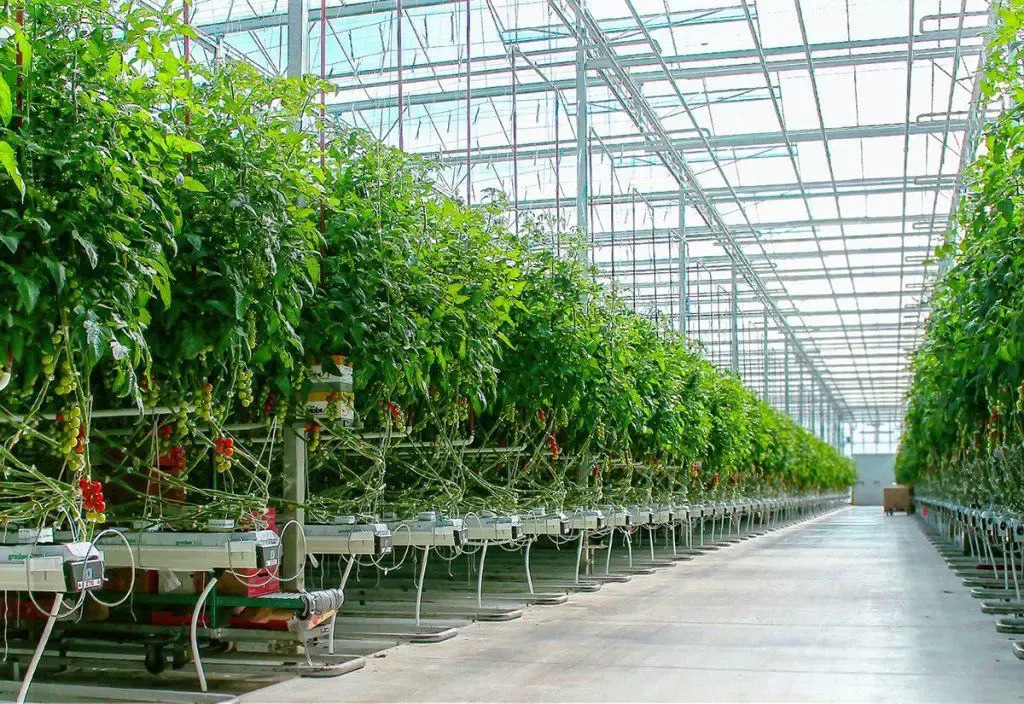
From December 1, 2026, new environmental requirements will come into force for greenhouses in Tashkent city and five districts of Tashkent region. Farms that do not meet the requirements will not be issued a positive conclusion on environmental expertise, or the validity of a previously issued conclusion will be temporarily suspended.
By the Government's resolution No. 586 of October 22, 2026, the regulation on environmental requirements for greenhouses operating on solid fuel was approved.
The special environmental regime applies to greenhouses in Tashkent city, as well as in the Yuqori Chirchiq, Qibray, Yangiyo‘l, Zangiota and Tashkent districts of Tashkent region.
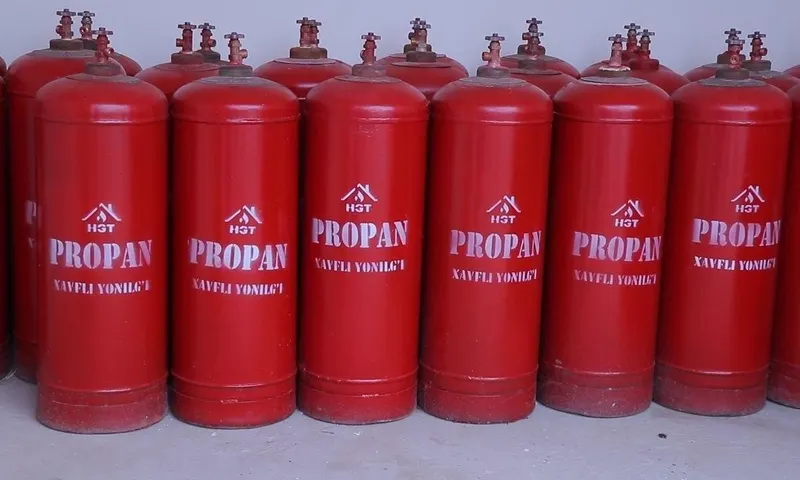
According to the regulation, in these areas greenhouses with heating systems must use natural or liquefied gas, electricity, geothermal and solar energy, as well as secondary thermal energy generated at thermal power plants. Greenhouses operating on solid fuel (coal, briquettes and biomass pellets) must adapt their heating systems to the designated energy sources by December 1, 2026.
The use of solid fuel is permitted only when a number of requirements are met simultaneously. For this, boiler units must be equipped with an automatic fuel supply and combustion process control system and dust and gas cleaning equipment, and a continuous automatic monitoring system must be installed and integrated with the information systems of the Ecology Committee.
In addition, the equipment must have a conformity certificate, online cameras, a power supply and a backup generator must be installed, and the generated waste must be disposed of.
It is prohibited to burn tires, bitumen, mazut, plastic and polymer films, synthetic cardboard, rubber, wool fiber, used oils, household and industrial waste, and similar materials as fuel in greenhouses.
Subsidies and loans will be allocated for environmental modernization
In accordance with the resolution, until January 1, 2028, 50 percent of the costs of purchasing dust and gas cleaning equipment, boiler units, energy-saving screens and efficient technologies, as well as heating equipment based on electricity, geothermal, solar energy and cogeneration, will be covered from the state budget. In this case, the subsidy will not exceed 50 million soums per hectare.
Greenhouses wishing to purchase automatic monitoring stations will be given the opportunity for interest-free installment payments over seven years under a tripartite agreement. The amount financed for each station will not exceed 350 million soums.
In 2026–2027, loans will be allocated through commercial banks for projects to transition to heating systems based on electricity, geothermal and solar energy and cogeneration. Loans will be provided for seven years, with a three-year grace period, at an annual rate of 14 percent. They may amount to up to 50 percent of the project value, and up to 3 billion soums per hectare.
Control and monitoring will be strengthened
From December 1, 2026, greenhouses that do not meet the established requirements will not be issued a positive conclusion of state environmental expertise. The validity of a previously issued conclusion may also be temporarily suspended in accordance with the established procedure. In such cases, measures will be taken to disconnect the greenhouse from electricity, gas and water supply.
Control and monitoring work will be carried out in greenhouses in the special zone every year from October 15 to March 15. If factors posing a high risk to human life and health are identified, the operation of the greenhouse or the polluting source may be temporarily suspended for up to 10 days.