Food is becoming more expensive worldwide: prices are expected to rise until 2027
Disruptions in maritime shipping, wars, and drought are causing global food prices to rise.
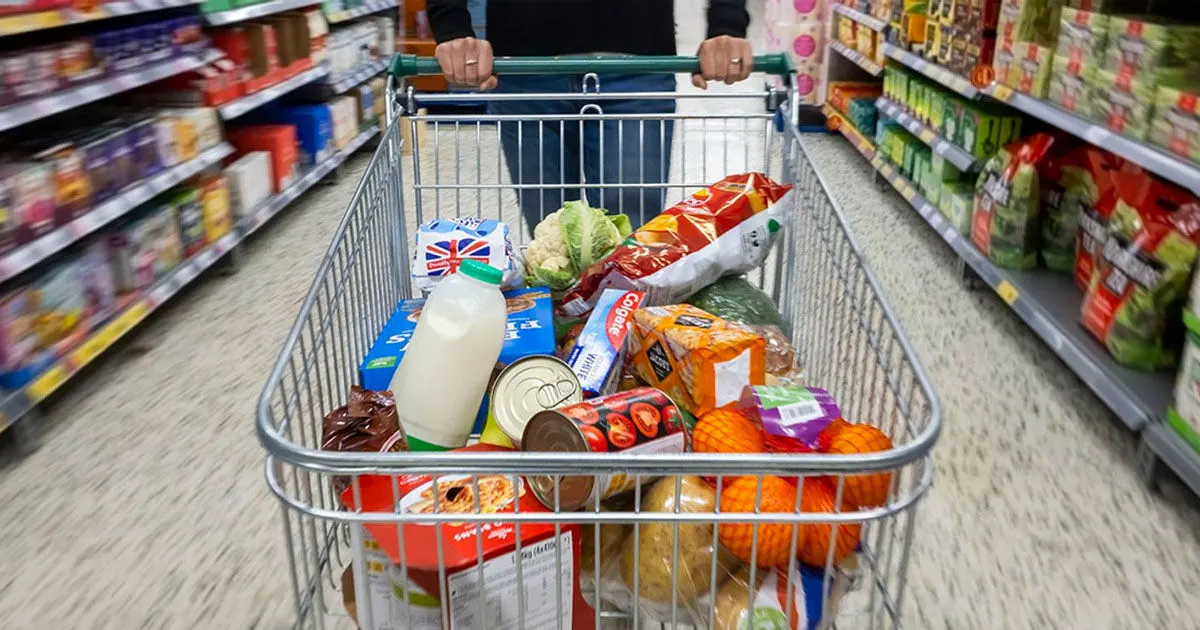
According to a report by Reuters citing Maximo Torero, Chief Economist of the UN Food and Agriculture Organization (FAO), several factors are simultaneously putting pressure on the global food system. This is particularly affecting populations in low- and middle-income countries.
In Indonesia, rice prices have approached record levels due to the expected delay of seasonal rains. In Egypt, bread has become 25 percent more expensive, while in India, sugar prices have reached a historic maximum as monsoon rains were at their lowest level in more than a decade.
According to World Bank data, in 22 percent of the 150 countries analyzed, food price increases exceeded overall inflation in the September quarter. The FAO food price index averaged 136 points in September, reaching its highest level since November 2022.
Attacks on grain infrastructure in the Black Sea are also contributing to price increases. This has caused disruptions in wheat deliveries. Instability in the Red Sea is forcing ships to divert to longer and more expensive routes around Africa.
Furthermore, military-political tensions are driving up fuel prices and disrupting fertilizer exports through the Strait of Hormuz. As a result, agricultural production costs are also rising.
According to data, wheat prices have risen by more than 30 percent, while rice prices in Asia's major rice-exporting countries have increased by 10–13 percent. Shipping tariffs on certain key maritime routes have also become approximately 50 percent more expensive due to rising oil prices and additional costs related to military risks.
Food producers are reporting increases in raw material and logistics costs. Bakery owners in Egypt's capital, Cairo, have reported that along with flour, costs for electricity, water, yeast, and labor are also rising.