Nuclear strike risk: Iran issued emergency instructions to the population
Iran's state television broadcast instructions on how the population should act in the event of a nuclear strike.
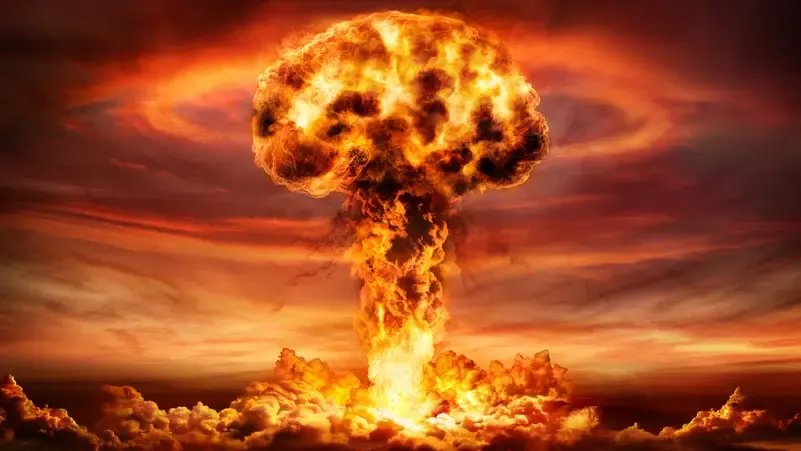
Iranian state television has issued instructions on how the population should act in the event of a nuclear strike. It recommended that citizens remain in shelters for at least 24 hours. Clash Report reported this, citing Al Arabiya information.
The instructions recommended not looking at the intense light during the explosion, hiding behind an obstacle, lying on the ground, and protecting the head and face. After the shock wave has passed, it was said that one should enter the nearest building and stay away from windows and exterior walls.
Citizens were also advised to remove outer clothing without shaking it, put it in a bag and seal it tightly, and wash exposed body parts with water and soap. The population should use bottled drinking water and packaged food products, and should not leave the shelter even after 24 hours without instructions from official authorities.
According to India Today, Iran's state news agency IRNA published this video guide and recommendations on October 29 as part of Passive Defense Week. The eight-minute video was prepared by the emergency services of Isfahan province.
These warnings came into focus following unconfirmed claims of a possible US nuclear strike on Iran. In a statement published on the X social network on November 2, American journalist Tucker Carlson claimed that the administration of US President Donald Trump, under pressure from Israeli Prime Minister Benjamin Netanyahu, could carry out a nuclear strike on Iran within a few days.
Carlson identified the Pikaks Mountain area in central Iran as a possible target. In his opinion, conventional weapons in the US arsenal are not sufficient to destroy the tunnels of the nuclear facilities there, and the only military option could be a nuclear strike.
The journalist did not provide documents confirming his claims. According to Clash Report, the White House and Israel's representative to the UN rejected these claims. Iranian officials, meanwhile, did not link the civil defense instructions to any specific external threat.
For information, Iran has been holding Passive Defense Week for more than ten years. However, there is no information that a similar guide dedicated to protection against a nuclear attack was published in previous years.