The US granted a 30-day permit for Iran's maritime oil trade.
These measures are aimed at reducing oil prices, which have sharply increased following the military actions of the United States and Israel against Iran.
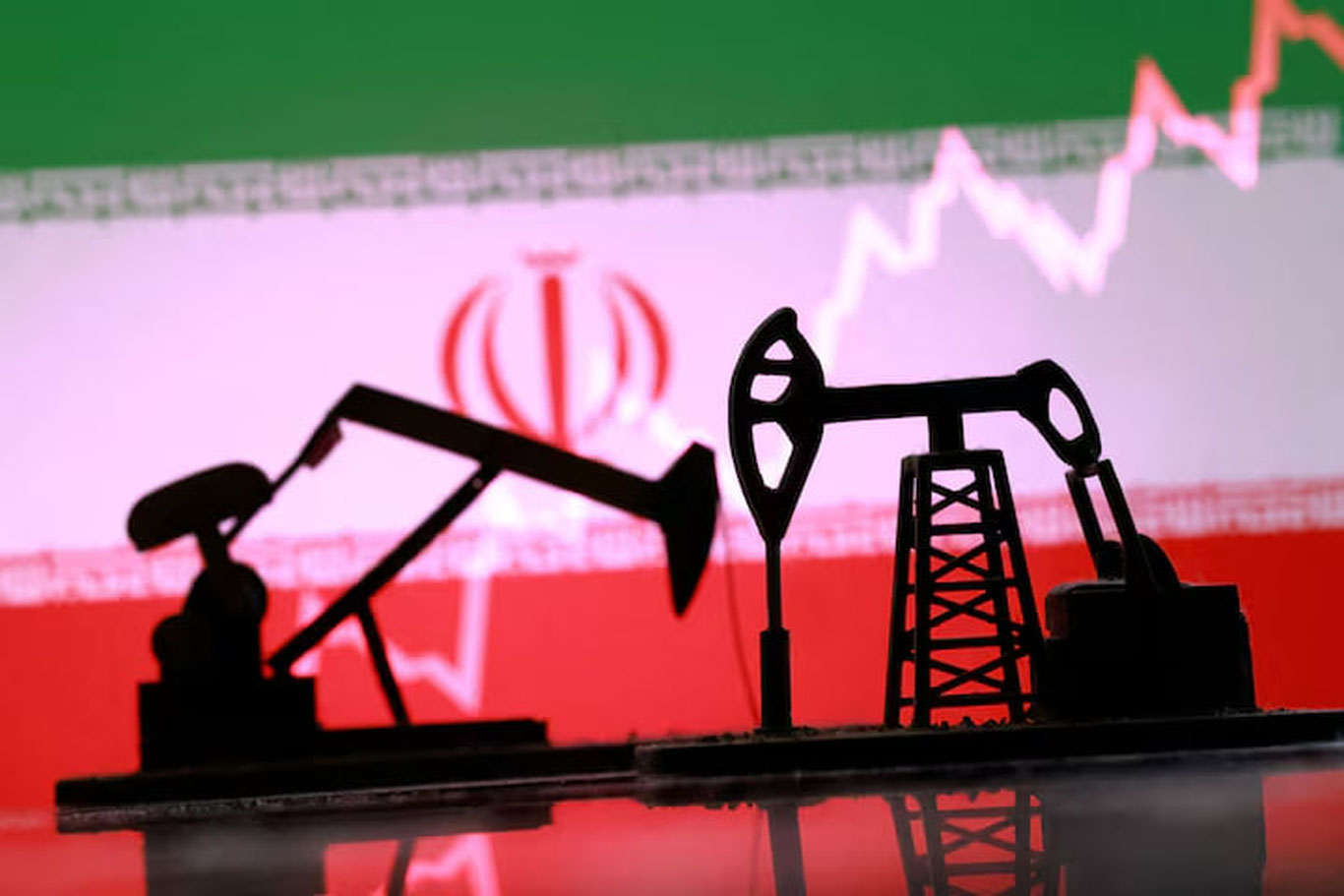
Based on published documents, Reuters reported that the U.S. government has temporarily eased sanctions on purchasing Iranian oil at sea for a 30-day period.
"These measures are aimed at lowering oil prices, which have sharply increased following U.S. and Israeli military actions against Iran," the agency writes.
U.S. Treasury Secretary Scott Bessent stated that this decision will allow approximately 140 million barrels of oil to enter the global market, reducing pressure on energy supply.
Concerns have grown in the White House that rising oil prices could negatively impact businesses and consumers in the domestic market. Especially ahead of the elections in November, President Donald Trump's party members are striving to maintain control of Congress.
According to the license published on the U.S. Treasury Department's website, it permits the import of Iranian oil into the U.S. to complete the process of selling or delivering it if necessary.
The U.S. has hardly imported Iranian oil due to sanctions imposed after the 1979 revolution. Therefore, it is currently unclear whether this permission will actually lead to Iranian oil entering the U.S.
The license does not apply to Cuba, North Korea, and the Crimean region and is valid until April 19.
This decision is also expected to benefit China, considered the largest buyer of Iranian oil. Energy Secretary Chris Wright stated that the oil can reach Asia within 3–4 days and be processed and brought to market over the next month and a half.
In the past two weeks, the U.S. has temporarily eased sanctions on rival nations' oil for the third time. These measures are aimed at reducing oil prices, which have risen above $100 per barrel, reaching their highest level since 2022.
Previously, the U.S. eased restrictions on Russian oil and also issued a general license on Friday allowing the sale of Iranian crude oil and petroleum products loaded onto vessels.
"In essence, we are using Iranian oil to lower prices while continuing the 'Epic Fury' operation," said Bessent.
According to his earlier interview with Fox Business, these measures could help stabilize oil prices for 10–14 days.
At the same time, the U.S. continues its policy of restricting Iran's full access to revenues from these transactions and limiting its opportunities to access the international financial system.
Against the backdrop of ongoing military actions since February 28, oil prices have risen by nearly 50 percent. Tehran responded by striking U.S. bases in Israel and the Persian Gulf region.
Critical energy infrastructure in the region has been attacked, and Iran has effectively closed the Strait of Hormuz, through which nearly 20 percent of the world's oil and liquefied gas passes.
To lower prices, the U.S. has announced another series of measures. Specifically, the temporary 60-day suspension of the "Jones Act" allows foreign vessels to transport fuel and other cargo between U.S. ports.
According to Brent Erikson, a representative of Obsidian Risk Advisors, these measures will not have a significant impact until the Strait of Hormuz is reopened.
"Easing sanctions against a nation at war indicates that economic tools are diminishing. This means the available options are becoming limited," he said.
The U.S. previously granted a 30-day license to sell stranded Russian oil at sea and issued a separate license for India on March 5.
Mark Dubovitz, head of the "Foundation for the Defense of Democracies" organization, supported the decision, calling it "a significant and reasonable step in the fight against the regime."