The US and Israel wanted to make the former president the leader of Iran — NYT
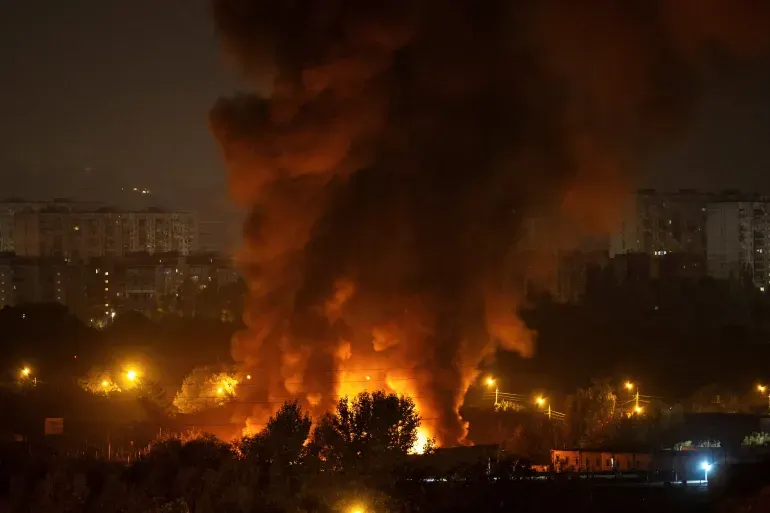
On the first day of the war, Israel struck Mahmoud Ahmadinejad's residence in Tehran in an attempt to free him from house arrest.
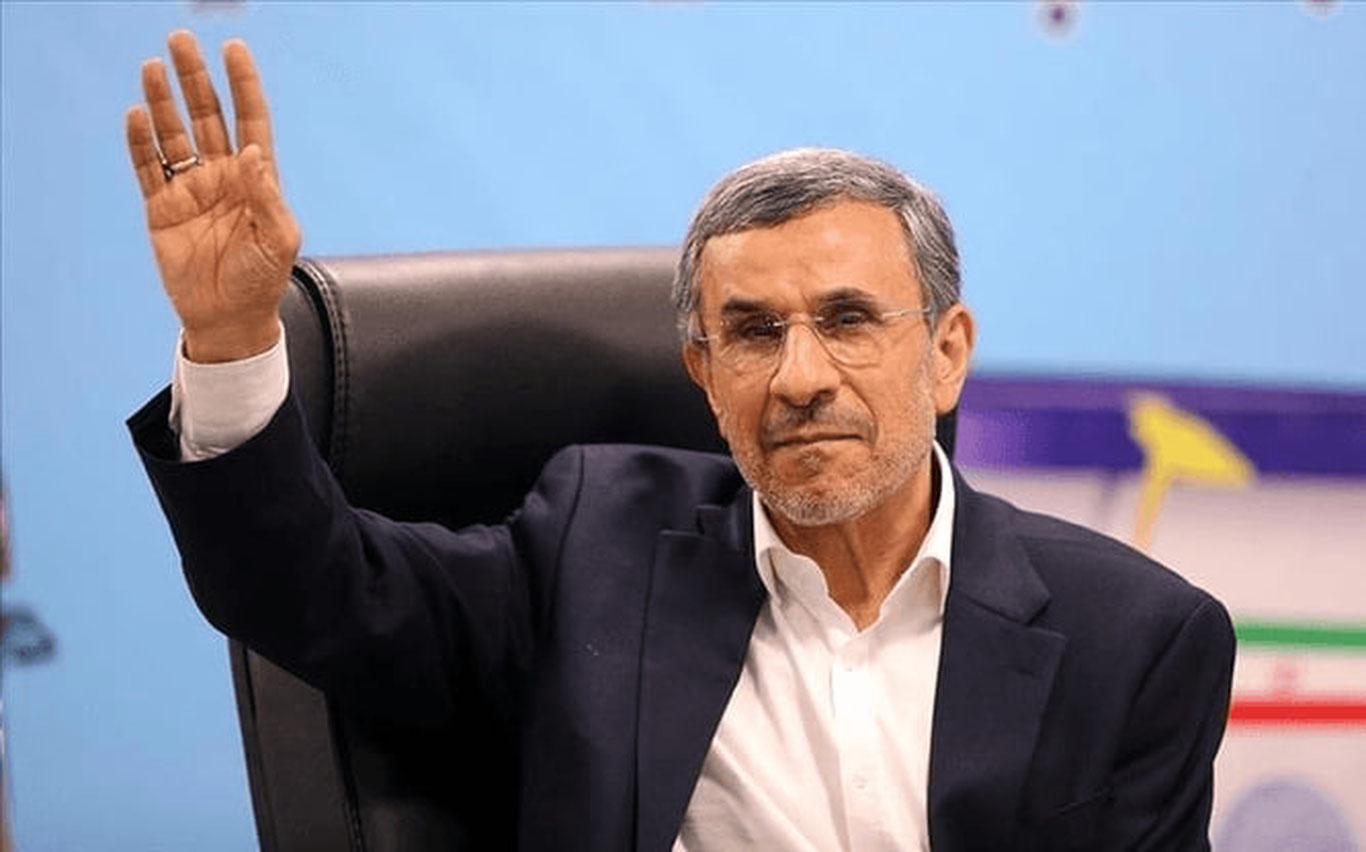
The New York Times, citing American officials, reports that the US and Israel discussed a scenario of regime change in Iran and bringing former President Mahmoud Ahmadinejad to power at the time the war with Iran began.
According to the publication's sources, on the first day of the war, Israel struck the residence of Ahmadinejad, who was under house arrest in Tehran, in an attempt to free him. The former president survived the attack but was injured.
The sources noted that after this incident, he became disillusioned with the regime change plan.
According to the NYT, Ahmadinejad has not appeared in public since then, and his current condition remains unknown. Sources close to the former president have also confirmed that the attack on his residence was a liberation operation.
On the same day, Israel also struck the residence of Iran's Supreme Leader Ali Khamenei in central Tehran. The attack resulted in the deaths of Khamenei and several high-ranking officials.
The newspaper assessed this operation as part of Israel's multi-stage plan aimed at overthrowing the theocratic regime in Iran. According to sources, US President Donald Trump and Israeli Prime Minister Benjamin Netanyahu supported the risky scenario of leadership change. Some American officials, however, were skeptical about the possibility of Ahmadinejad's return to power.
The publication notes that the exact mechanism by which Ahmadinejad was planned to be brought to power, as well as the precise details of the airstrike that caused his injuries, have not been disclosed.
According to the NYT, the attack did not cause major damage to Ahmadinejad's house, but the guard post at the entrance was destroyed. As a result, several members of the Islamic Revolutionary Guard Corps who were guarding him were killed.
Mahmoud Ahmadinejad served as President of Iran from 2005 to 2013. During his presidency, he supported Iran's nuclear program and was sharply critical of the US and Israel. In later years, he accused the Iranian leadership of corruption and inefficient governance.
The former president attempted to run in the presidential elections of 2017, 2021, and 2024, but his candidacy was rejected by the authorities. The NYT notes that although Ahmadinejad was not an open opposition figure, the Iranian government began to view him as a potentially destabilizing political figure.
The publication also wrote that some individuals around Ahmadinejad have been accused of having close ties with Western countries or spying for Israel. His several foreign visits in recent years have also sparked various speculations. Specifically, he visited Guatemala in 2023 and Hungary in 2024 and 2025. The NYT notes that these countries have close relations with Israel.