Why is the student stipend not being increased in Uzbekistan?
The Minister of Higher Education commented on this situation.
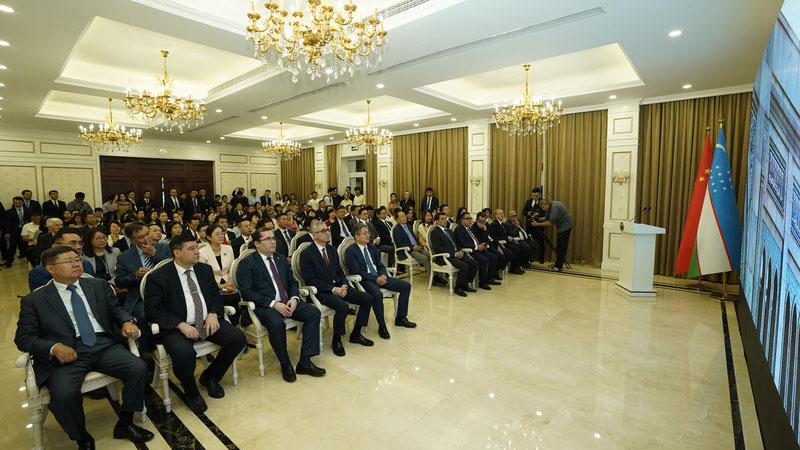
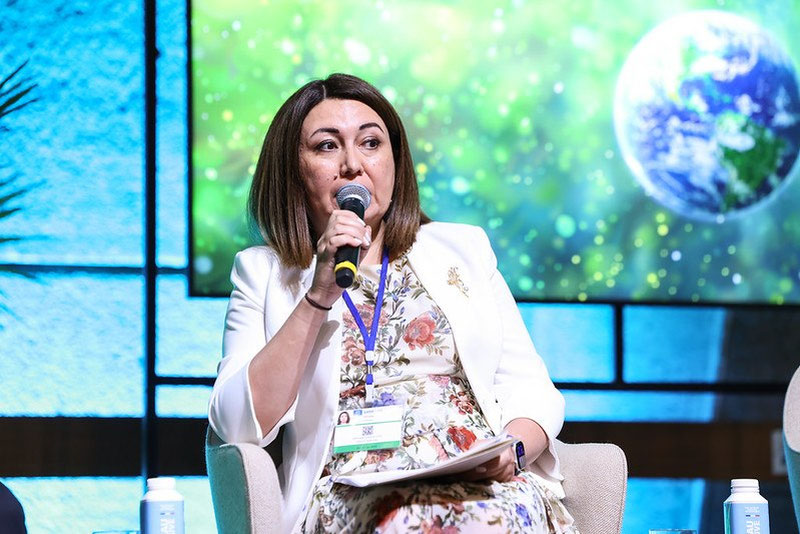
At a press conference attended by Minister of Higher Education Qo'ng'irotboy Sharipov, the reason why student stipends are not being increased in Uzbekistan was explained.
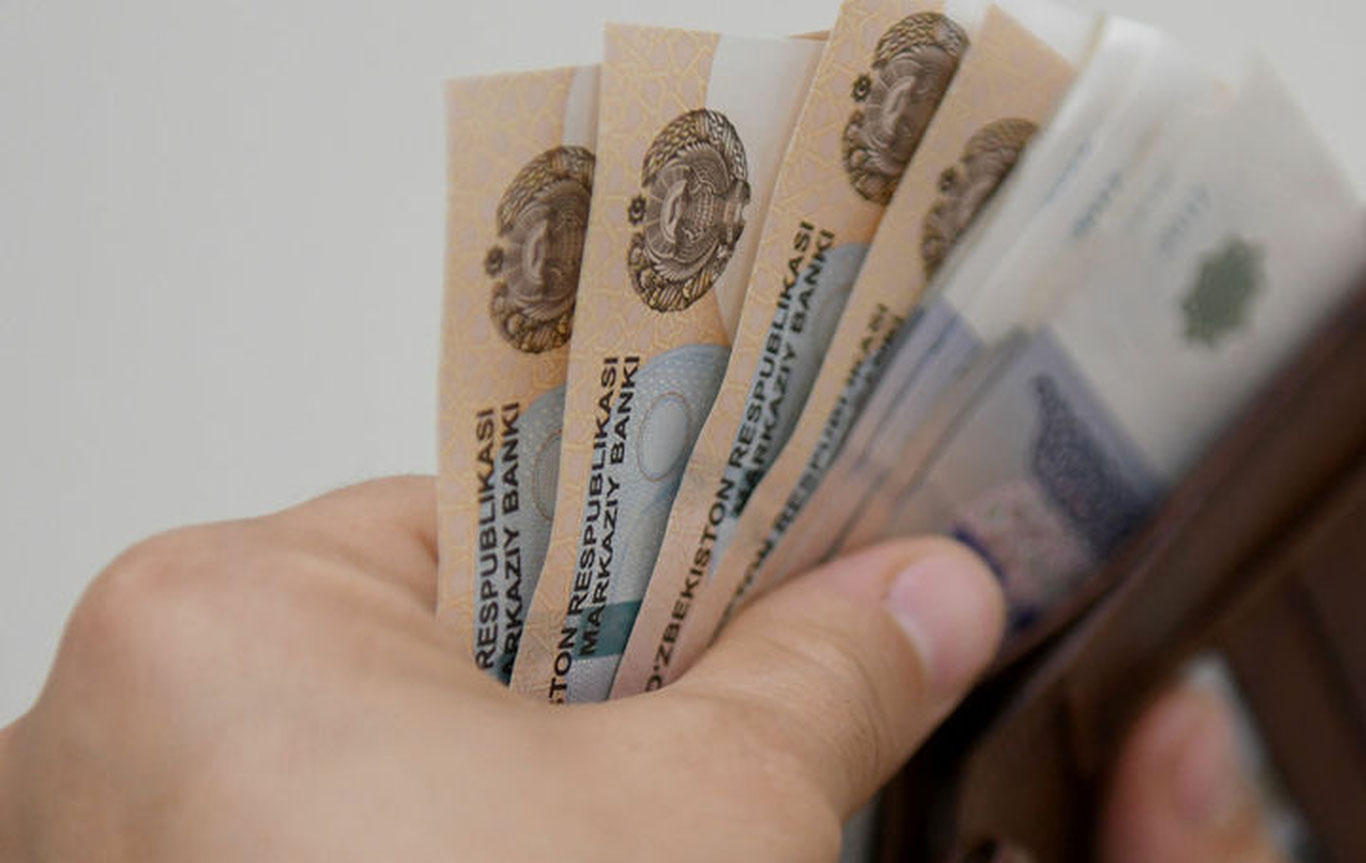
Currently, the base stipend amount is 569,870 soums. In addition, a student studying with excellent grades receives a 20 percent bonus. Last year, when salaries were increased, the stipend also increased by 10 percent.
"Now look, we have one problem. I would like you to understand this correctly. Our respected President has not allowed the contract fee to be increased for four years. It was increased once by 15 percent. If we continued according to the old system as before, for example, the contract fee would also increase when salaries increased annually," said the Minister of Higher Education.
At the press conference, the minister stated that today, an additional 88 percent should be added to the tuition-contract fee, and that even though the cost per student in some university programs has reached 14 million soums, the contract fee is still maintained at 6 million soums per year.
"Currently, 26 higher education institutions are on subsidies... For example, we are covering the most through super-contracts. This should not be hidden. Our expenses are being highlighted on social networks. These universities have received a lot of income, these are left on subsidies, they say. Therefore, this issue is raised every year. Now, of course, we will make a decision after studying the opinion of the majority, the public," said the minister.
Furthermore, economist Otabek Bakirov writes that stipends are also 20% lower than the poverty indicator.
The economist noted that according to Article 46 of the Constitution, "The amounts of pensions, allowances, and other types of social assistance established by law cannot be less than the officially established minimum consumer expenditures."
"Indeed, in the last 5 years, the tuition-contract fee for HEIs was increased once by 15%, but stipends were indexed by 10%. Even from the point of view of proportionality, not social minimums, there is no justice here either. However, the main mistake in the approach is that the stipend is not an academic payment for the hundreds of thousands of students studying on the state budget, but precisely performs the function of social assistance. That is, in determining the amount of stipends, there is no social or even market rationality in linking it to the tuition-contract fee for studying at a HEI. Currently, the base stipend does not reach 570 thousand soums, while the minimum consumer expenditures defining the poverty line are 715 thousand soums. That is, the base stipend amount is more than 20% less than the poverty minimum," wrote Otabek Bakirov.