Germany views Russia as the primary threat to European security.
For the first time in the country's history, the Bundesver adopted a concept for military strategy and the development of armed forces.
The German Armed Forces (Bundeswehr) have adopted a military strategy and armed forces development concept for the first time in the country's history. DW reported on this.
According to the report, the document identifies Russia as the main threat to European security and sets the goal of transforming the Bundeswehr into the most powerful army in Europe.
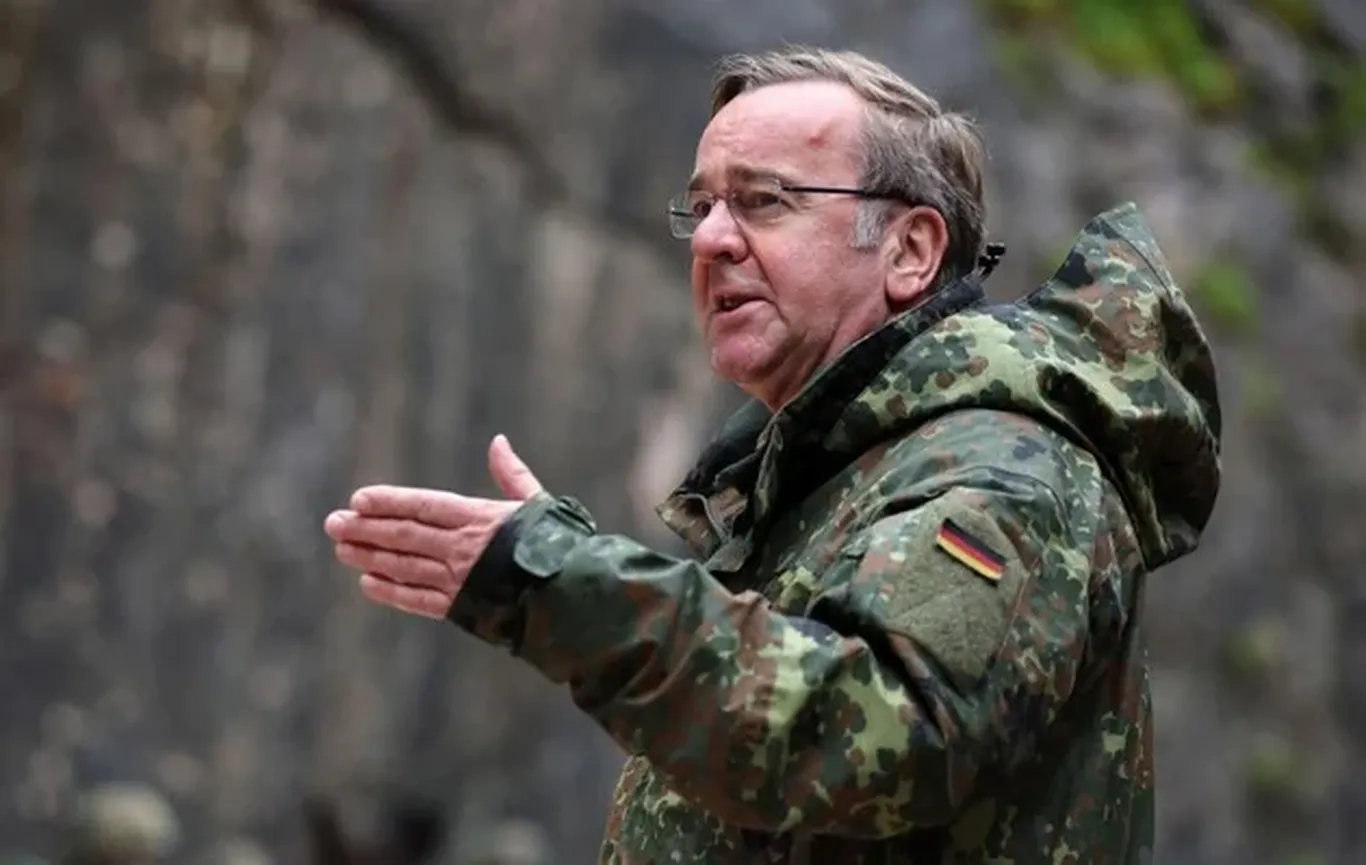
German Defense Minister Boris Pistorius announced on April 22 in Berlin that a new approach has been developed within the framework of the comprehensive defense concept, tailored to the country's changing security environment. The main part of the document is classified.
The minister assessed the policies led by Russian President Vladimir Putin as a direct threat to NATO. He emphasized that Russia, through rearmament, is preparing for military confrontation with NATO and views the use of military force as a standard tool for achieving political goals.
According to the new strategy, at least 460,000 German military personnel, together with allies, must be ready to counter a potential threat that may come from Russia.
The document notes that Russia is conducting hybrid threats against NATO countries, including Germany, such as cyberattacks, disinformation, espionage, and sabotage activities.
At the same time, it emphasizes that Russia views the West as an enemy and seeks to weaken NATO unity.
Pistorius stated that Germany is focused on increasing its defense capabilities in the short term, expanding military potential in the medium term, and achieving technological superiority in the long term. According to him, the Bundeswehr will be transformed into the most powerful conventional army in Europe.
The strategy notes that information superiority, artificial intelligence, quantum technologies, robotics, and drones will play a crucial role in future wars.
It also emphasizes the need to strengthen military capabilities in cyberspace and outer space.
According to the document, the distinction between the front line and the rear will disappear in future wars, and the state, economy, and civilians may also be under threat.
Although the USA remains the main pillar of NATO, it is stated that Germany must increase its military burden within the alliance. It is noted that Germany will continue its participation in NATO's nuclear deterrence system.
Reserve forces are also being reconsidered as a full part of the armed forces, and it is stipulated that they will be equipped with necessary gear.