Flights are resuming at Tehran International Airport.
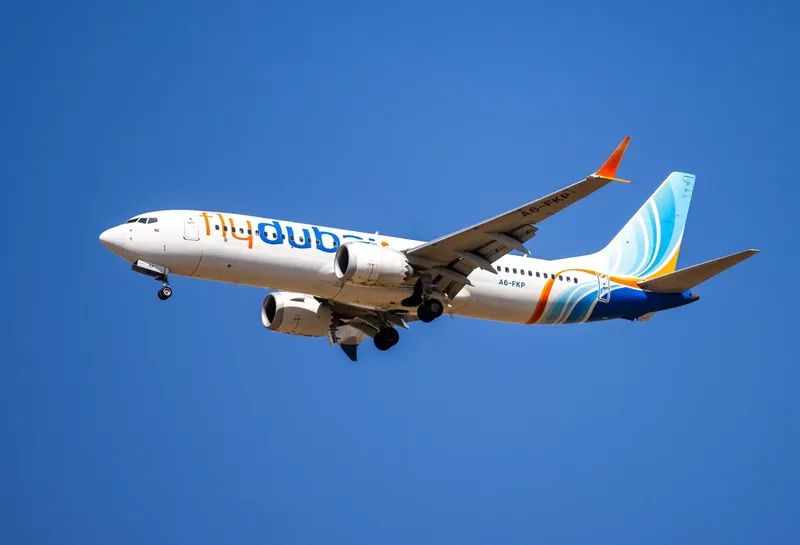
Currently, 8 local airlines are operating flights on 15 routes.
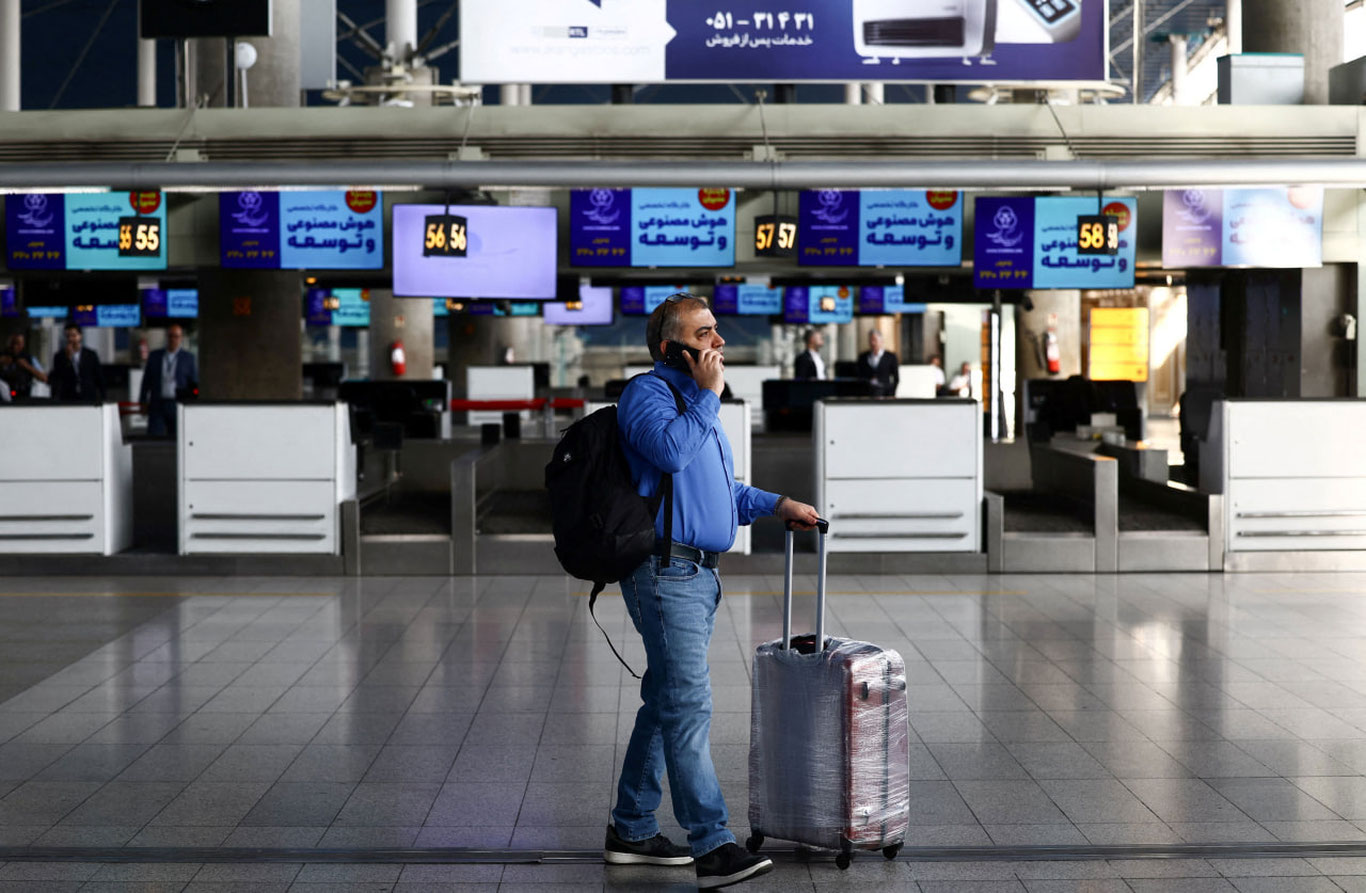
Commercial flights at Tehran's Imam Khomeini International Airport are gradually resuming after a nearly two-month hiatus. Al Jazeera reported this.
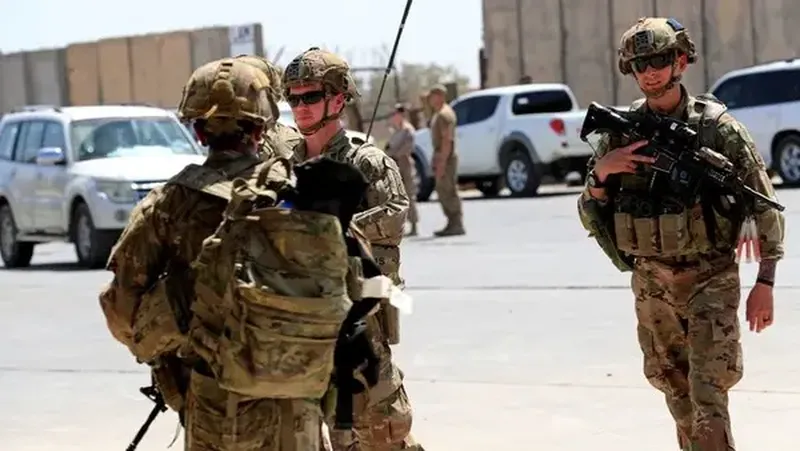
It is reported that flights were not operated for 58 days following US-Israeli military actions.
Iranian officials stated that air traffic has been gradually restored starting from April 25. Currently, 8 local airlines are operating flights on 15 routes. These include destinations such as Istanbul, Muscat, Medina, as well as routes to China and Russia. Nevertheless, the number of flights has not yet reached pre-war levels.
Before the war, the airport served an average of 150 flights per day, whereas now activity in terminal areas is just beginning to recover.
Ramin Kashef Azar, head of the Imam Khomeini Airport City, emphasized that the return of foreign airlines depends on the political situation and security assessment.
According to Iran's Civil Aviation Authority, 20 aircraft were destroyed as a result of the war, but the airport infrastructure was almost entirely preserved — 95 percent remains intact.
Iran's airspace was opened in four stages starting from April 19: initially transit flights, then domestic services, followed by the resumption of international flights. However, political tensions between Tehran and Washington continue to impact the operations of foreign airlines.
Airports and the aviation sector suffered damage
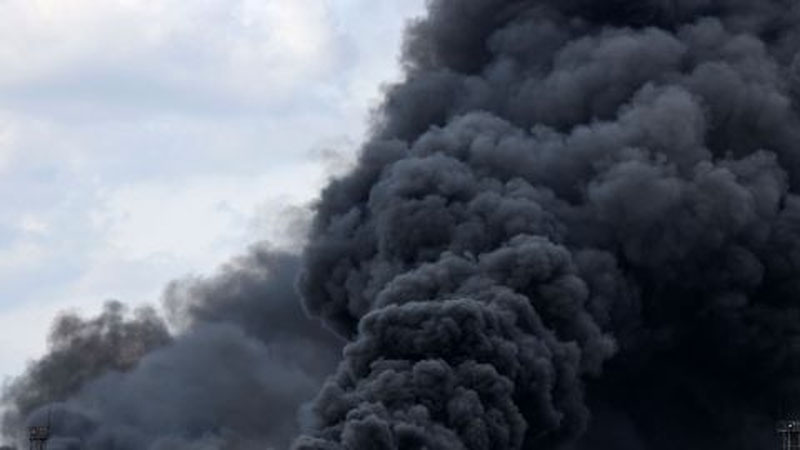
During the military actions, Iran's civil aviation system sustained serious damage. According to official data, over 3,300 people were killed, and thousands were injured.
Tehran's Mehrabad Airport was also struck several times. This airport, which primarily serves domestic flights, was the country's main air gateway until 2009. Additionally, airports in Kashan, Tabriz, Ahvaz, Mashhad, Khoy, and Urmia were targeted in attacks, resulting in damage to a number of civilian aircraft.
Blow to business and tourism
The suspension of flights also negatively impacted the economy. Activity in the tourism and service sectors sharply declined, and many jobs were lost. Specialists working in the tourism sector report decreased incomes and mass layoffs.
In particular, during the Nowruz holiday period — typically the busiest season — the cancellation of flights dealt a severe blow to tour packages, charter services, and hotel bookings. Some companies were forced to refund customers and drastically reduced their workforce.
Cautious recovery
According to experts, the resumption of flights signals Iran's return to the global transportation system. However, due to political uncertainty and security factors, the aviation sector has not yet fully recovered.
Thus, airports are returning to operation, and passenger traffic is increasing. But the stabilization of the situation largely remains dependent on political processes in the region.