The highest number of Uzbek citizens are being killed in the Russian army.
In 2023, 498 individuals, in 2024, 941 individuals, and in the first six months of 2025, nearly 1,300 Uzbek citizens signed military contracts with Russia.
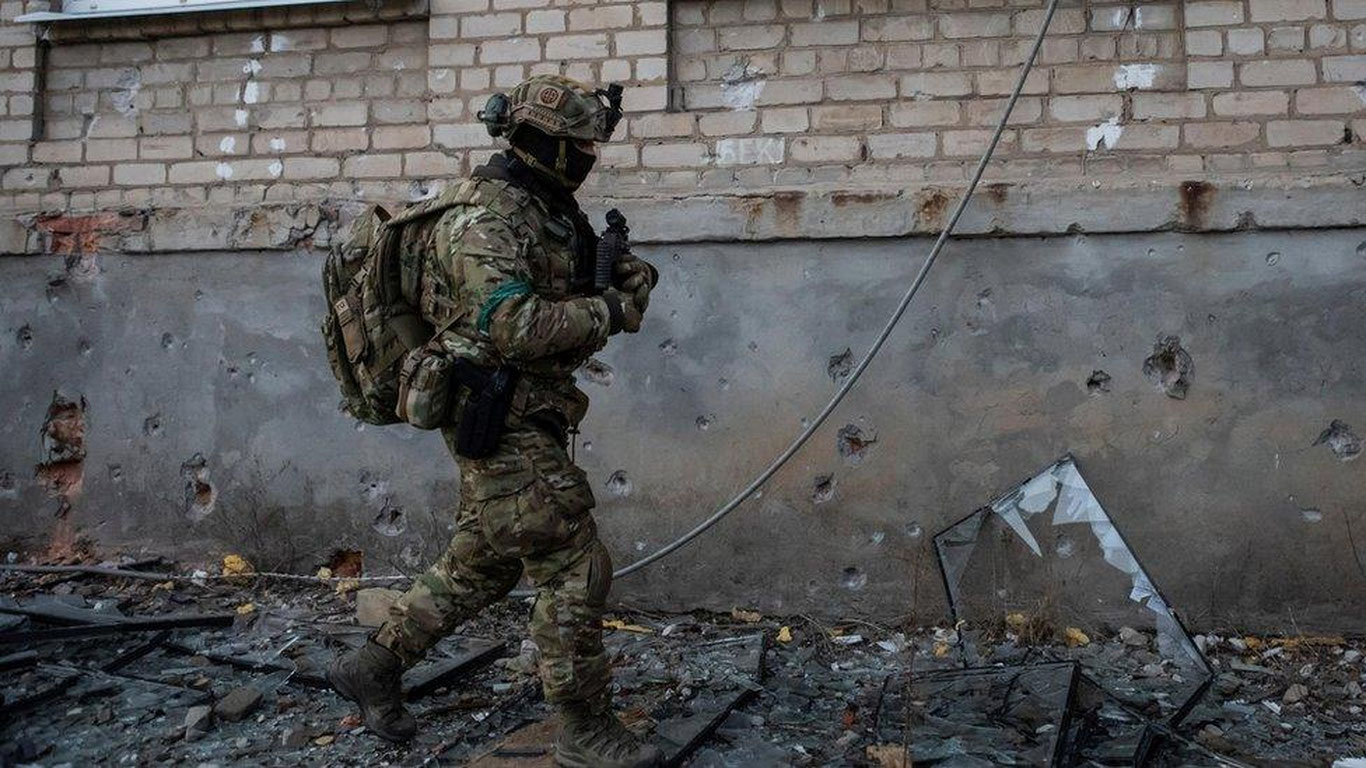
During the Russia-Ukraine war, the largest losses among foreign citizens who fought in the ranks of the Russian army are attributed to Uzbek nationals. This was reported in a study published by Truth Hounds announced.
According to the report, since 2022, tens of thousands of foreigners from at least 130 countries have been recruited into the Russian army. A significant portion of them are from Central Asian countries, particularly citizens of Uzbekistan.
The report notes that at least 481 Uzbek nationals have been killed on the Russian side, which is the highest figure among foreign fighters. Following this, citizens of Tajikistan, Kazakhstan, and Kyrgyzstan are recorded.
Furthermore, according to non-governmental sources, at least 4,707 Uzbek nationals have participated or are currently participating in battles against Ukraine within the ranks of the Russian army. Specifically, in 2023, 498 individuals, in 2024, 941 individuals, and in the first six months of 2025, nearly 1,300 Uzbek nationals signed military contracts with Russia.
Another important aspect highlighted in the report is that the number of Uzbek nationals is also high among captured foreigners.
Researchers noted that the recruitment process is primarily targeted at socially and legally vulnerable groups, particularly labor migrants. According to the report, raids are conducted in places where migrants reside and in mosques, and in some cases, military service is offered as a means to avoid deportation or criminal liability.
Additionally, information is provided about instances of document confiscation, pressure, false accusations, and physical coercion. It is noted that some foreigners were lured with promises of obtaining Russian citizenship or passage to Europe, but were forced to sign contracts without knowing the language.
According to the data, after short-term training, most of them were sent to the most dangerous areas of the front.
The authors of the study assessed this process not as simple recruitment, but as a systemic situation containing elements of deception, coercion, and exploitation, close to signs of human trafficking.
The report emphasizes that the practice of recruiting foreigners into the Russian army has become systematic, raising serious concerns from the perspective of regional security and human rights.