In Tashkent, issues of digital justice and human rights were discussed.
In the capital, an open lecture was held on the topic "Digital Justice and the Right to a Fair Trial: Human Rights in the Era of Technological Transformation."
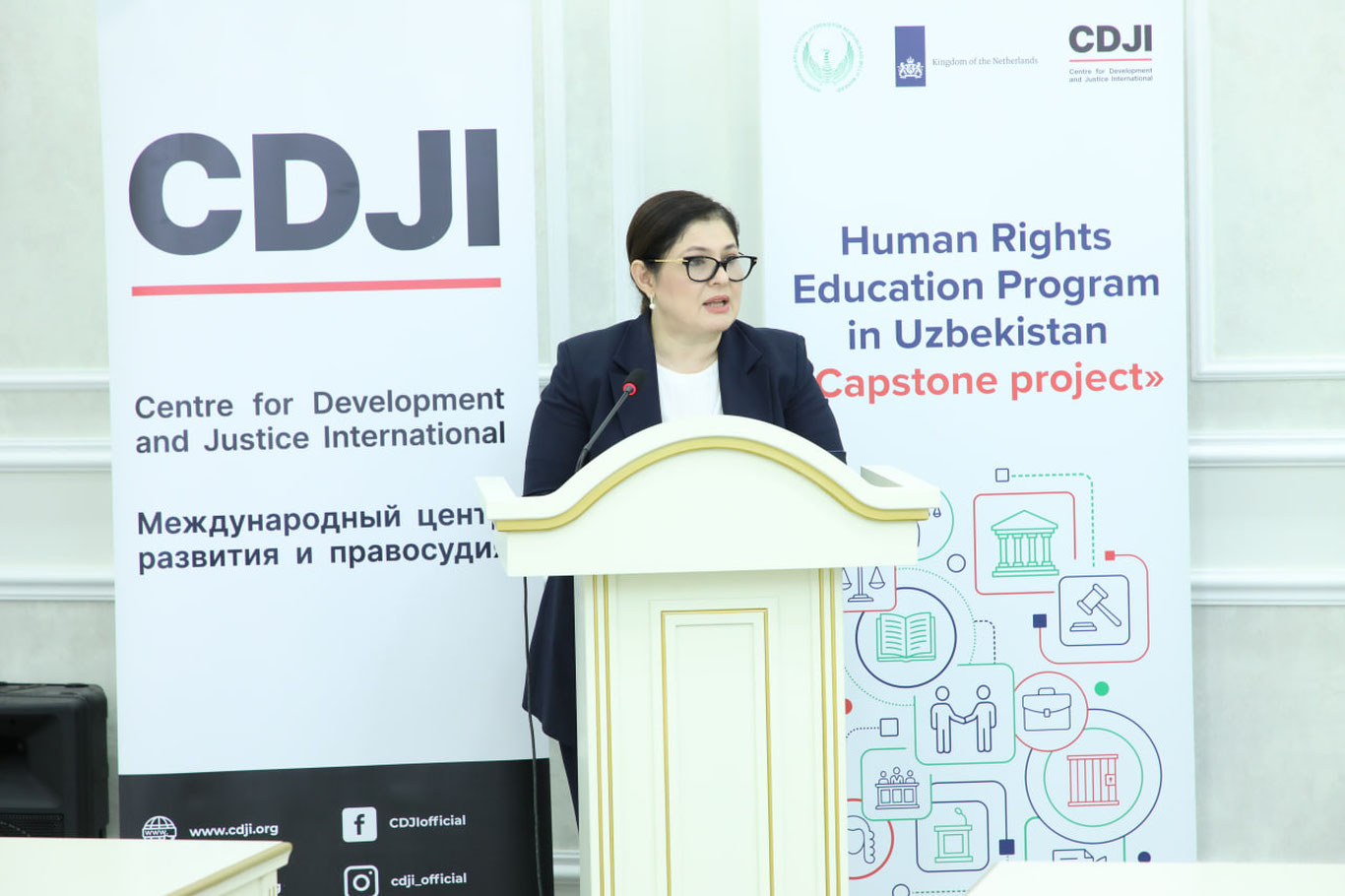
The National Center of the Republic of Uzbekistan for Human Rights, together with the Center for International Development and Justice, continues to implement the "Capstone Project" educational program in the field of human rights with the financial support of the Embassy of the Kingdom of the Netherlands in Uzbekistan.
Within the framework of the project, on June 19, 2026, an open lecture was held by Professor Dorris de Vocht, Associate Professor of the Department of Criminal Law at Tilburg University (Netherlands), on the topic: "Digital Justice and the Right to a Fair Trial: Human Rights in the Era of Technological Transformation."
The event was attended by students, young researchers, and teachers from Tashkent State University of Law, the Law Enforcement Academy, and the Academy of the Ministry of Internal Affairs of the Republic of Uzbekistan, as well as representatives of other stakeholders involved in the promotion and protection of human rights.
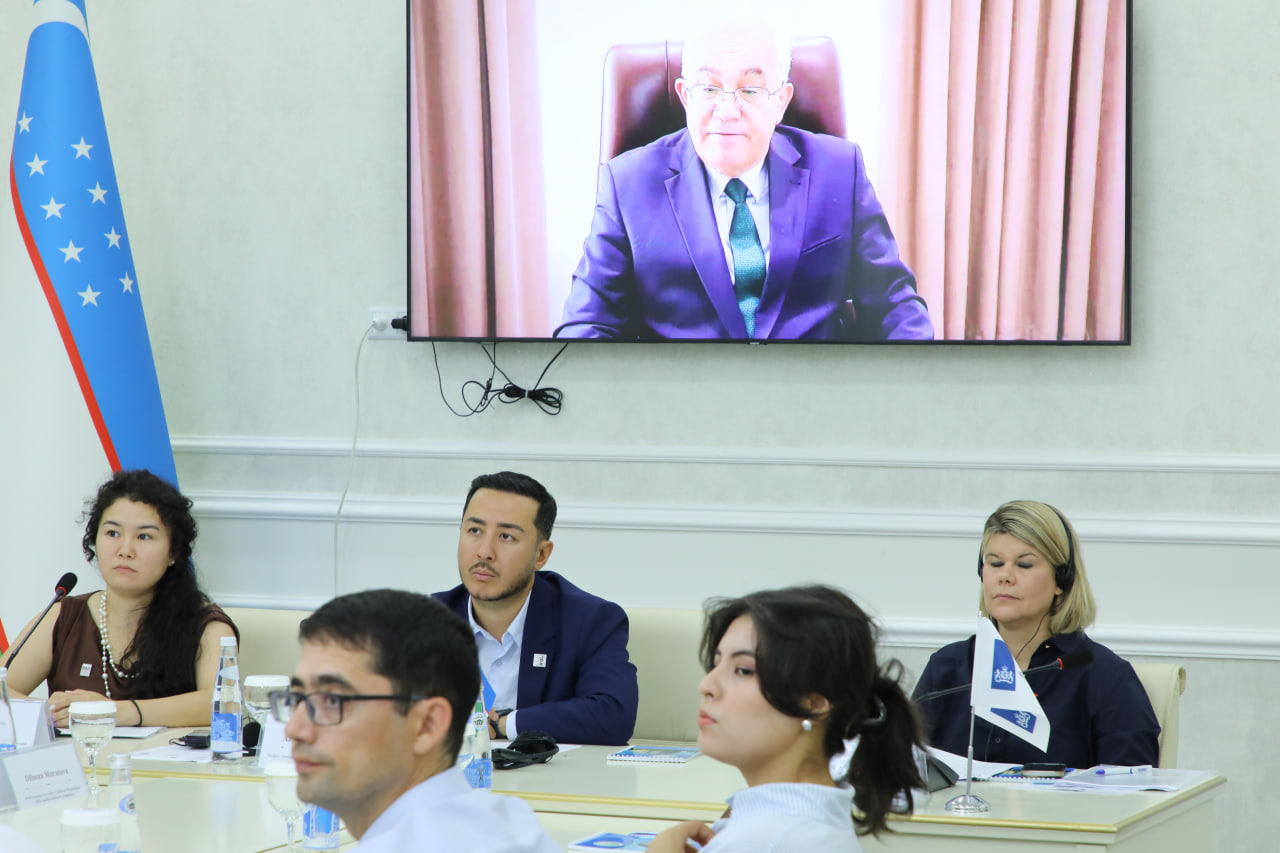
An opening address by the Director of the National Center of the Republic of Uzbekistan for Human Rights, Academician Akmal Saidov, was presented in the form of a video message. He emphasized the growing role of education and research in the field of human rights in addressing the new challenges arising in the context of technological development and digital transformation.
As A. Saidov noted, "For Uzbekistan, digital justice is of particular importance in the context of the ongoing digitalization of the judicial and legal system, the introduction of electronic court proceedings, and the harmonization of national legislation with international standards of fair justice."

The meeting participants were also welcomed by Azamat Shambilov, President of the Center for International Development and Justice (CDJI). He noted the importance of equipping future lawyers and researchers with the knowledge and analytical skills necessary to work at the intersection of human rights, criminal justice, and technological innovation.
"Technologies are capable of expanding access to justice, increasing efficiency, and making legal services accessible to broad segments of the population. At the same time, they compel us to raise fundamental questions about justice, accountability, public trust, transparency, and equality before the law. As courts and justice institutions increasingly rely on digital tools and artificial intelligence, we must ensure that technological innovation strengthens, rather than weakens, the protection of human rights," said A. Shambilov.
He emphasized that the "Capstone Project" is aimed at encouraging young researchers and future legal professionals to critically evaluate these processes and contribute to creating justice systems that are both innovative and grounded in respect for human rights.

During her lecture, Professor Dorris de Vocht analyzed the opportunities and challenges related to conducting online hearings, remote participation, digital evidence, as well as the growing role of technology in judicial decision-making and court administration, using the European Court of Human Rights as an example.
"The key issue is not whether courts can use technology, but whether they can do so without losing the human qualities that make criminal justice fair and legitimate," the expert emphasized.
Additionally, within the program framework, Professor Dorris de Vocht provided consultations to student teams participating in the "Capstone Project Uzbekistan."
The participants presented interim results of their research projects on human rights and received expert recommendations.