Historical roots and multicultural values of Azerbaijani culture
Since the territory of Azerbaijan has served as a bridge between East and West since ancient times, various cultures, religions, and ethnic groups have interacted here.
Azerbaijani culture is a multi-layered phenomenon that has been shaped over millennia, enriched by the influence of various civilizations, and continues to preserve its uniqueness today. Since the territory of Azerbaijan has served as a bridge between East and West since ancient times, the interaction of different cultures, religions, and ethnic groups has occurred here. This process has shaped both the historical roots of Azerbaijani culture and its multicultural values.
The roots of Azerbaijani culture date back to ancient civilizations. The Gobustan rock carvings reflect the lifestyle, beliefs, and aesthetic worldview of primitive human communities in the region. These monuments show that the territory of Azerbaijan was one of the early centers of human culture. With the spread of Islam in the 7th century, a new spiritual and cultural phase began in the region.
In the Middle Ages, Azerbaijani cities — Baku, Shamakhi, and Ganja — became centers of science, literature, and trade. During this period, great thinkers such as Nizami Ganjavi and Khagani Shirvani emerged. Their works had a significant impact on the development of not only Azerbaijani but also all Eastern literature.
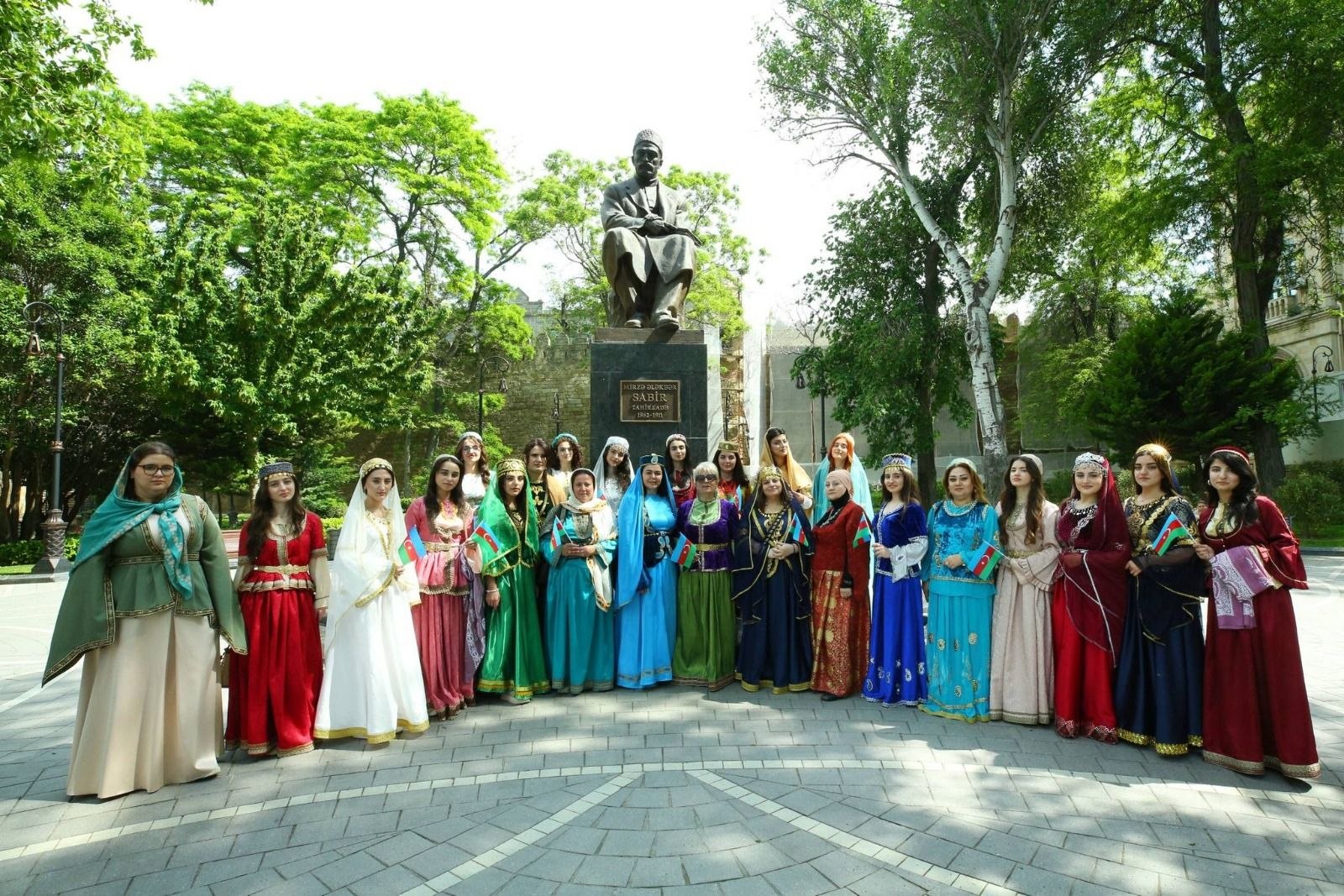
Azerbaijan has historically been a place where different peoples and religions lived in peace and harmony. This characteristic remains one of the country's core values today. In Azerbaijan, alongside Muslims, Christians, Jews, and other religious communities also operate.
For example, the village of Qırmızı Qəsəbə in the Guba district is one of the unique places in the world where Jews live compactly. Multiculturalism is also considered one of the important directions of Azerbaijan's state policy. Respect for different cultures, religious tolerance, and mutual understanding are accepted as the main principles of society. Azerbaijani culture is distinguished by its rich artistic traditions.
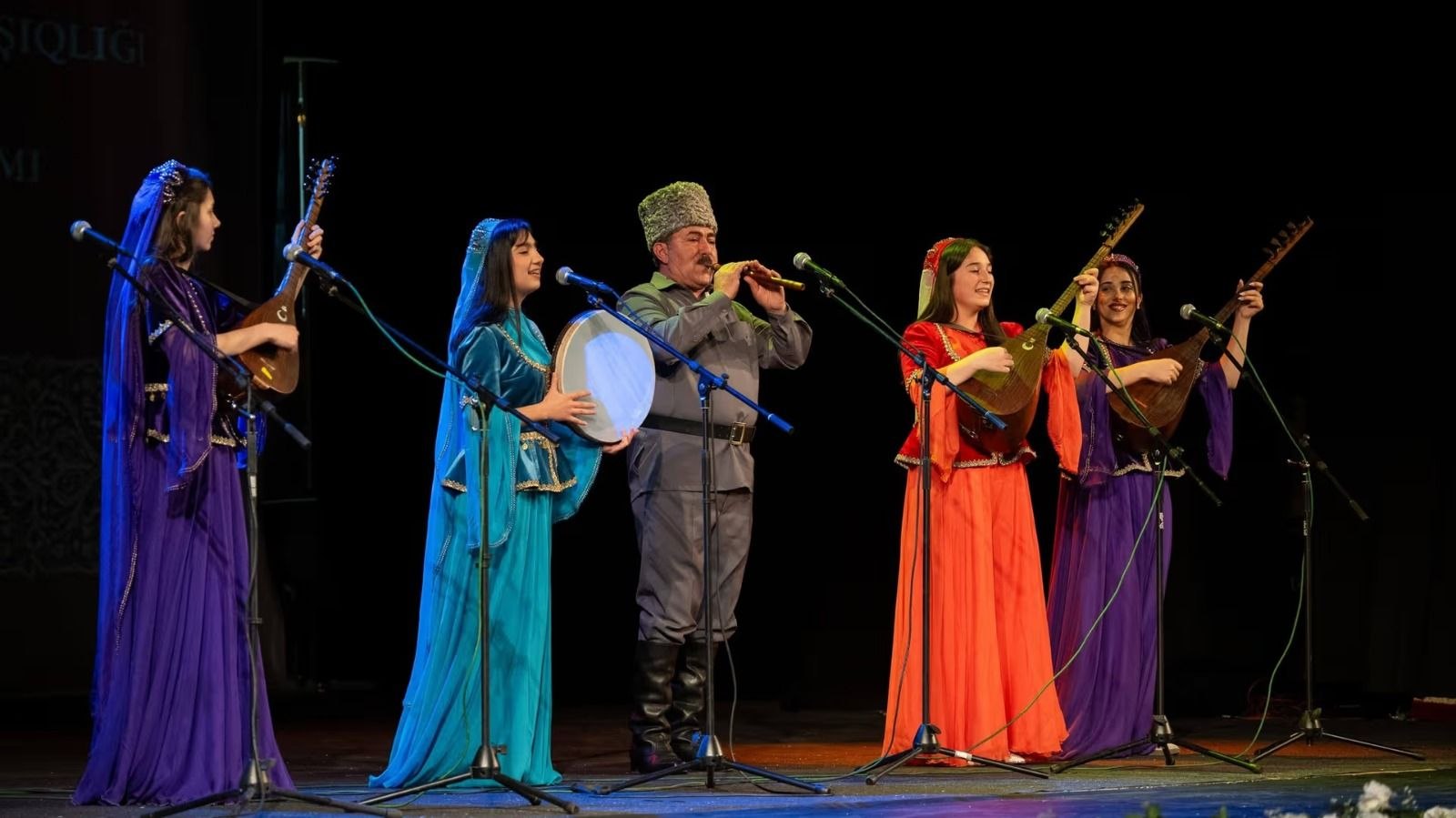
Mugham has been recognized by UNESCO as an intangible cultural heritage of humanity. This musical genre reflects the emotional world and philosophical thinking of the people. Additionally, carpet weaving is an integral part of Azerbaijani culture.
Azerbaijani carpets, protected by UNESCO, are famous for their patterns and harmony of colors. The carpet style of each region is unique, demonstrating the country's cultural diversity. In the field of architecture, monuments such as Icheri Sheher preserve the historical heritage of Azerbaijan. This area is considered a living example of medieval urban planning traditions. In modern Azerbaijan, a harmony of tradition and innovation is observed.
The capital, Baku, hosts international events and promotes intercultural dialogue. Events such as the 2012 Eurovision Song Contest played an important role in opening Azerbaijan to the world. At the same time, development is observed in the fields of cinema, theater, and contemporary art. Young artists, while preserving national motifs, create new styles and promote Azerbaijani culture on a global scale.
Under the leadership of President Ilham Aliyev, cultural policy has become one of the state's priority directions in Azerbaijan. On his initiative, many cultural centers — museums, theaters, and concert halls — have been built or undergone major renovations in the country. Extensive work has been carried out in the direction of restoring historical monuments, particularly protecting Icheri Sheher and other ancient architectural sites.
Furthermore, various festivals, exhibitions, and cultural days have been organized to promote Azerbaijani culture internationally. The activities of First Vice-President Mehriban Aliyeva are especially noteworthy in the humanitarian and cultural spheres. As President of the Heydar Aliyev Foundation, she has implemented important projects related to promoting Azerbaijani culture both within the country and abroad.
On the initiative of the Foundation, many historical and religious monuments have been restored, and examples of national music and art have been showcased on international platforms. The inclusion of Azerbaijani mugham and other examples of intangible cultural heritage in UNESCO lists is also one of the important achievements in this direction.
At the same time, Mehriban Aliyeva attaches special importance to the development of international cultural dialogue. International forums and cultural events held on her initiative present Azerbaijan as a country located at the crossroads of various cultures.
Azerbaijan's multicultural values and cultural cooperation policy are also reflected in relations with other countries of the Turkic world. From this perspective, the historical, cultural, and spiritual ties between Uzbekistan and Azerbaijan are of particular importance. Both peoples share common Turkic roots, a rich literary heritage, and ancient statehood traditions.
In recent years, cultural cooperation between Azerbaijan and Uzbekistan has expanded further, with mutual cultural days, exhibitions, concert programs, and scientific conferences being organized. The legacy of the great Azerbaijani poet Nizami Ganjavi and the great Uzbek thinker Alisher Navoi is highly valued in both countries and serves to promote common cultural values.
Furthermore, projects implemented within the framework of the Organization of Turkic States contribute to strengthening cultural integration between the peoples of Azerbaijan and Uzbekistan and enhancing the younger generation's commitment to the common historical and cultural heritage.
This cooperation not only develops friendly relations between the two countries but also serves to strengthen the cultural unity of the entire Turkic world.
The development and promotion of Azerbaijani culture are not limited to preserving historical heritage but are also supported through various projects and initiatives in the modern era. The State Support Agency for Non-Governmental Organizations of the Republic of Azerbaijan also plays an important role in this regard.

Projects funded by the Agency cover various fields, and a special place is given to cultural topics among them. In projects implemented by NGOs, issues such as preserving national cultural heritage, promoting folk crafts, developing mugham and other traditional music genres, as well as popularizing multicultural values, are widely covered. Through these projects, in particular, mugham, carpet weaving, folklore, and other examples of national heritage are being passed on to the younger generation.
At the same time, events, seminars, and festivals held in various regions of the country contribute to the development of local culture. Furthermore, within the framework of projects supported by the Agency, Azerbaijan's multicultural environment is also widely promoted. Presenting the cultural heritage of various religious and ethnic communities, promoting traditions of tolerance, and strengthening intercultural dialogue are among the main goals of these projects.
Initiatives supported by the State Support Agency for Non-Governmental Organizations of the Republic of Azerbaijan show that the cultural sector is considered one of the priority directions in the country, and the projects implemented in this field serve both to preserve national heritage and to promote it internationally.
Azerbaijani culture, while having rich historical roots, is also distinguished by its multicultural values. This culture, formed under the influence of various civilizations, continues to preserve principles such as tolerance, mutual respect, and openness to diversity today.
These characteristics make Azerbaijan one of the important centers of intercultural dialogue not only in the region but also on a global scale.
Chairman of the German-Azerbaijani Cultural House, Agha Aghayev,
Chairman of the Public Union for Supporting Journalists in Diaspora Activities, Fuad Huseynzade.