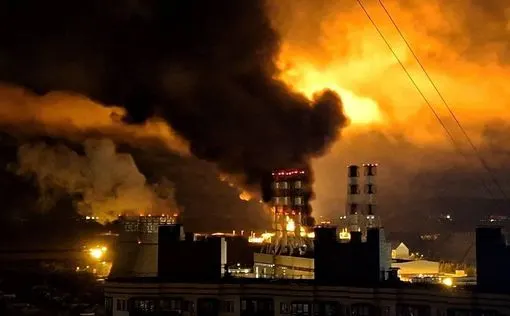
After attacks on tankers in the Red Sea, oil prices have exceeded $100.
Trump threatened Iran with "military punishment" if Houthi attacks are repeated.
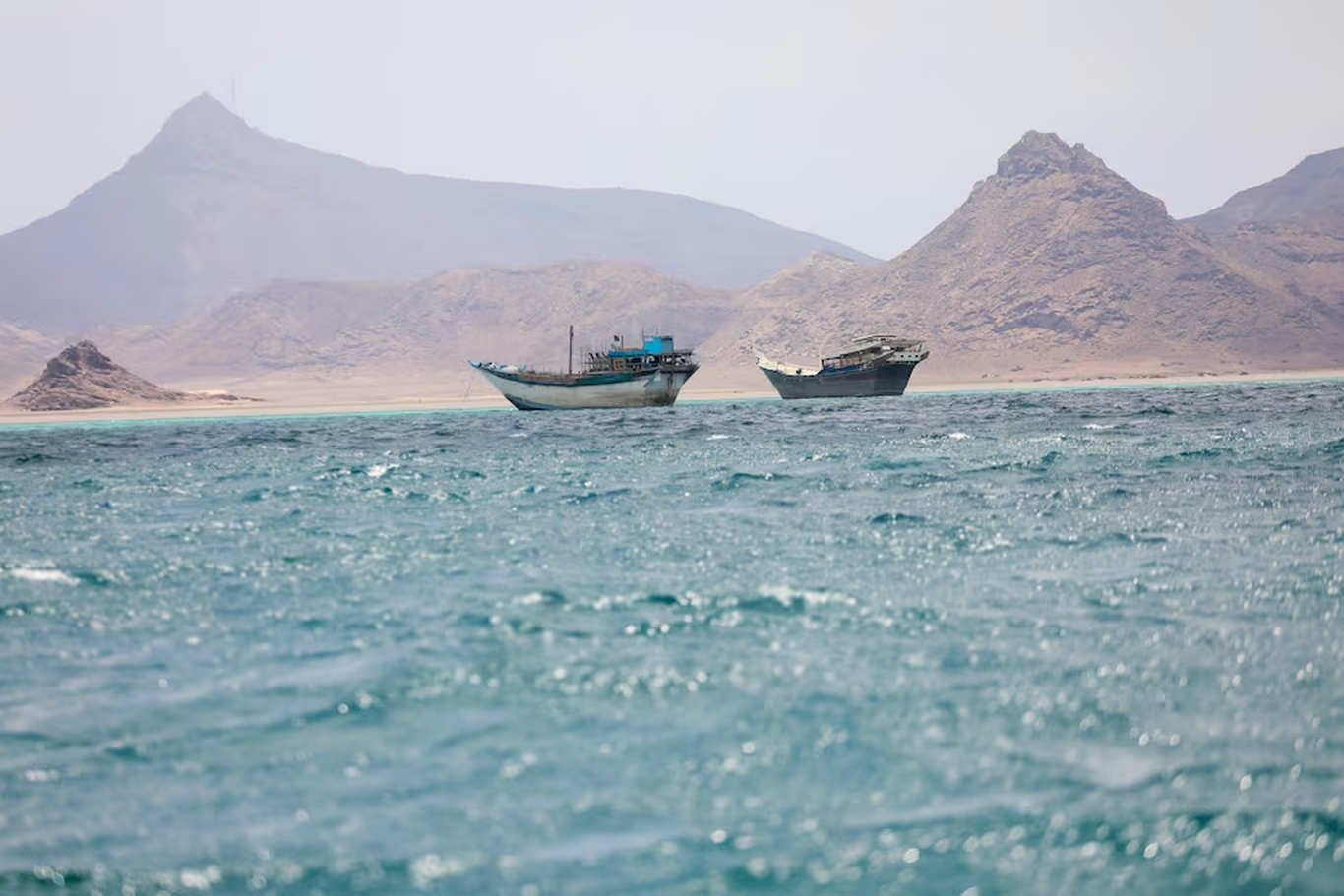
US President Donald Trump said that Iran and the Houthis are facing "major military retaliation" after the Houthis attacked two Saudi-owned oil tankers in the Red Sea. Reuters reported this.
On his Truth Social social media page, Trump emphasized that the Houthis are representatives of Iran and wrote that if such attacks are repeated, the US will hold Tehran responsible.
The Houthis announced that their forces struck the Saudi-owned oil tankers named Encelia and Layla with missiles and drones. Maritime security sources confirmed that the vessel Encelia was hit by a missile attack near the port of Jizan and that a fire broke out on the front part of the tanker. Reuters could not independently confirm the attack on the tanker Layla.
US Secretary of State Marco Rubio stated that pressure on Iran will increase until it agrees to a peace deal, saying that the "price" Tehran pays "will rise every night."
The Houthis also announced this week that they are imposing a naval blockade against Saudi Arabia. Experts note that their targeting of the Bab el-Mandeb strait could pose a serious threat to global oil shipments.
Against this backdrop, the price of Brent crude oil rose by more than 6%, exceeding $100 per barrel for the first time since May. The fact that several oil tankers are changing their routes due to security reasons is further heightening concerns in the energy market.
At the same time, Iran announced that it had struck US military facilities in Jordan and Kuwait. The Jordanian army reported that of the four missiles and six drones launched in the last 24 hours, all but one were intercepted.
Trump also said that if Iran continues to attack ships in the Strait of Hormuz, the US will strike Iranian infrastructure targets. In response, the Iranian military announced that it would target oil, gas, electricity, and other economic infrastructure facilities in the region and attempt to halt oil exports.