The CIS countries intend to send illegal migrants to return centers outside Europe.
Denmark, Germany, Austria, the Netherlands, and Greece are planning to conclude agreements with third countries in this regard.
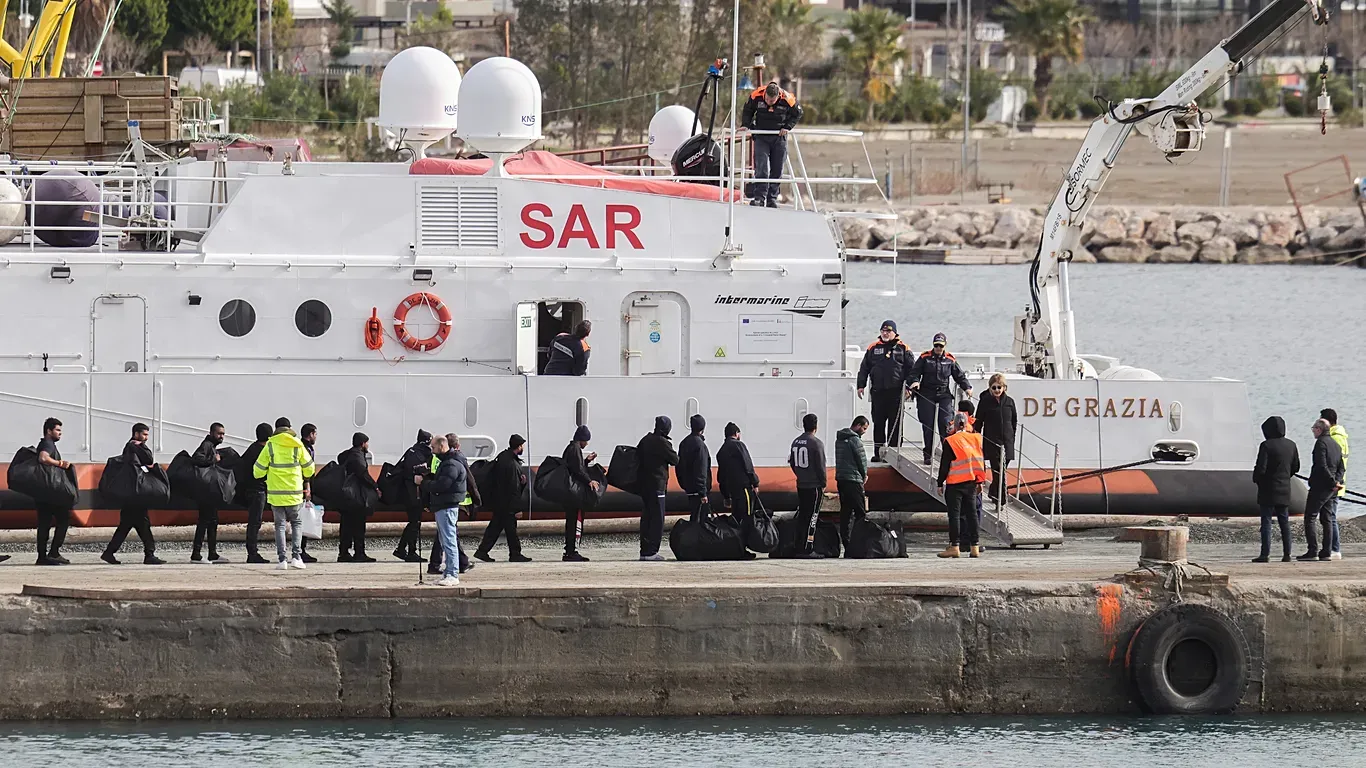
Denmark, Germany, Austria, the Netherlands, and Greece are planning to establish a system for sending certain migrants whose asylum applications have been rejected to “return hubs” to be set up outside the European Union by 2027. The five countries have agreed to develop a common model in this regard.
This was announced on 4 September at the conclusion of a meeting of the interior and migration ministers of the five countries held in Copenhagen.
The “return hubs” are intended to house migrants whose return to their country of origin is not possible and whose asylum requests have been rejected. It is planned to establish such hubs on the territory of one or more partner countries that are not members of the EU. So far, it has not been disclosed which countries are being negotiated with.
According to Denmark’s Minister for Migration and Integration, Morten Bødskov, the parties have set the goal of being ready to send the first migrants to a partner country outside the EU during 2027.
The five countries may finance the hubs and offer partner countries additional funds, commercial agreements, or other incentive measures. The system is planned to be implemented in accordance with EU legislation and international obligations, in cooperation with international organizations.
Supporters of the initiative emphasize that the new system will help reduce illegal migration and deal a blow to the activities of groups involved in human trafficking.
However, the project is also raising concerns related to human rights. Human rights advocates warn that sending migrants to hubs outside EU territory could negatively affect their legal protection and opportunities to seek asylum.
Representatives of the five countries plan to meet again in Munich at the end of September to continue negotiations on the project.