Financial support in the agricultural sector: subsidies are provided for certain areas
Subsidies will be allocated to support cotton cultivation, cotton-textile clusters, fodder crops, and chilled meat imports.
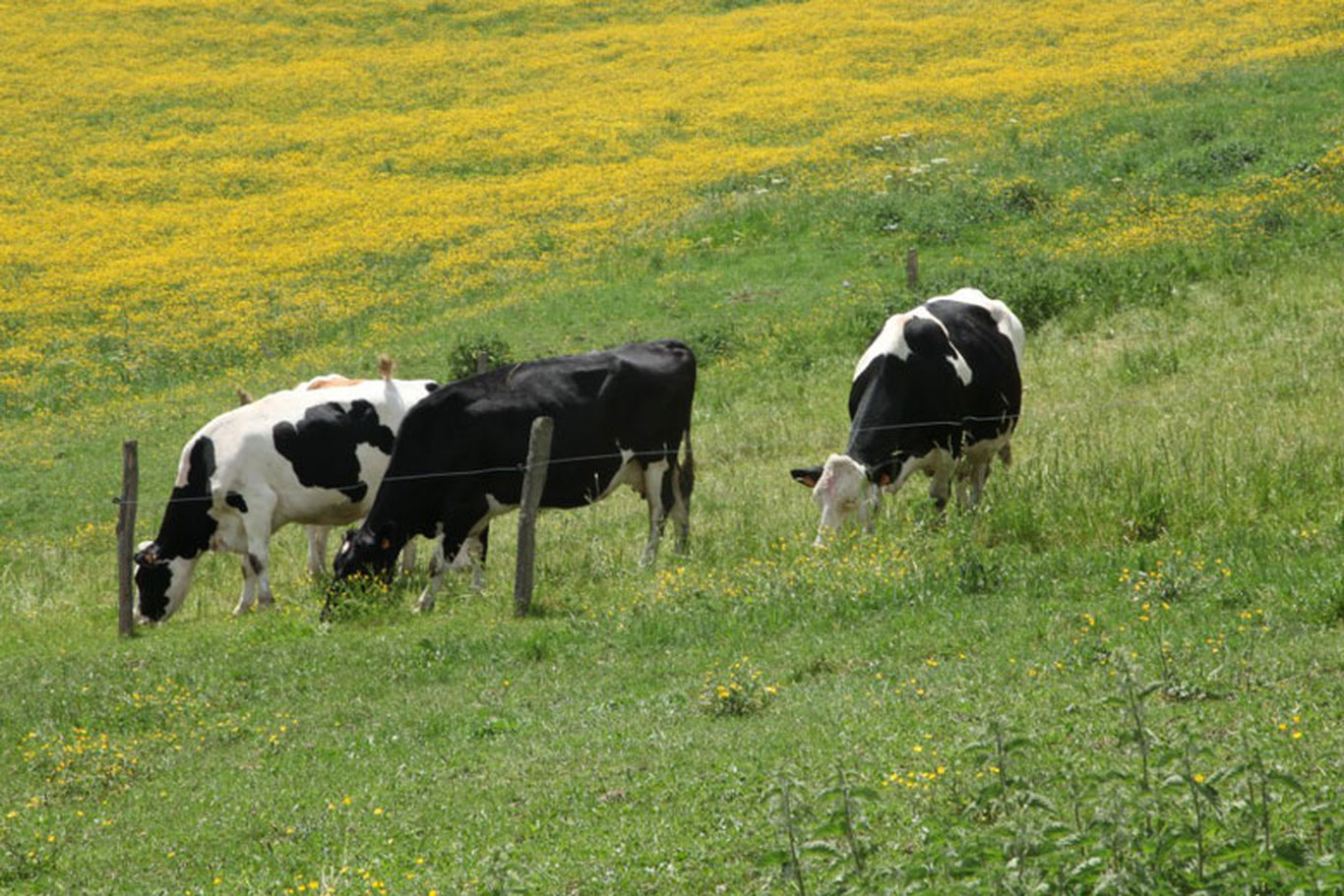
A new set of measures aimed at improving the system of financial support for agricultural entities and managing risks in the agrarian sector has been established in Uzbekistan.
This is provided for in the Presidential resolution "On measures to increase the effectiveness of financial support in the agrarian sector and improve the risk management system" (No. PQ-354, September 28, 2026).
According to the resolution, a number of subsidies will be allocated to agricultural entities. In particular:
- For the 2026 harvest, a subsidy of 500 thousand soums will be provided for each ton of cotton raw material, except for grade 4 and 5 cotton;
- In 2026, a subsidy of 1.5 million soums will be allocated for each hectare of cotton grown on land plots assigned to cotton-textile clusters and enterprises founded by them;
- In 2027–2029, livestock farms will be provided an annual subsidy of 500 thousand soums for each hectare where fodder crops are grown on main areas. In this case, the subsidy will be allocated based on the conclusion of the Space Research and Technology Agency;
- From October 1, 2026, to June 1, 2027, a subsidy of 2.5 thousand soums will be provided for each kilogram of chilled beef and mutton imported by business entities.
Additionally, from January 1, 2027, to January 1, 2028, as a legal experiment, a "Result-based subsidy" system will be introduced to cover part of the costs of agricultural producers for implementing water-saving irrigation technologies.
In this system, the amount of the subsidy will be determined not only based on the expenses incurred, but also depending on productivity, product quality, and other result indicators.
The resolution also establishes new procedures for agricultural insurance. In particular, starting from the fourth year, agricultural enterprises that have not experienced an insured event for three years will be granted a discount of 10–20 percent of the insurance premium.
Furthermore, 3–5 percent of insurance premiums will be directed to a reserve for preventive measures.