When air quality deteriorates, civil servants may be transferred to remote work.
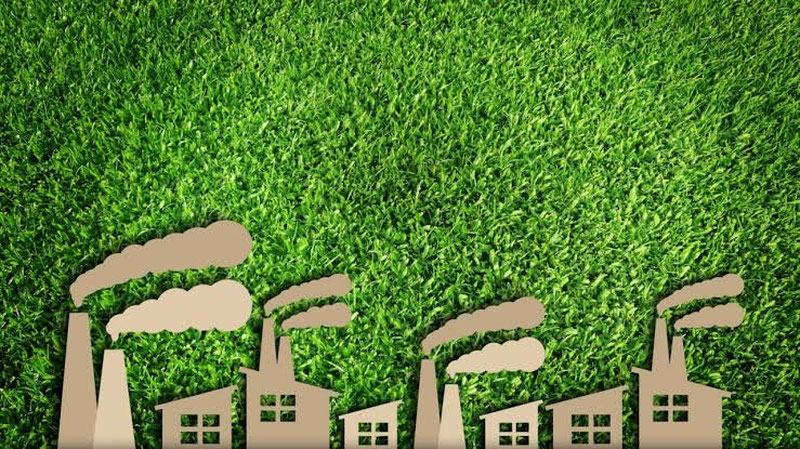
An action plan to be implemented when air quality sharply deteriorates in Uzbekistan is being developed.
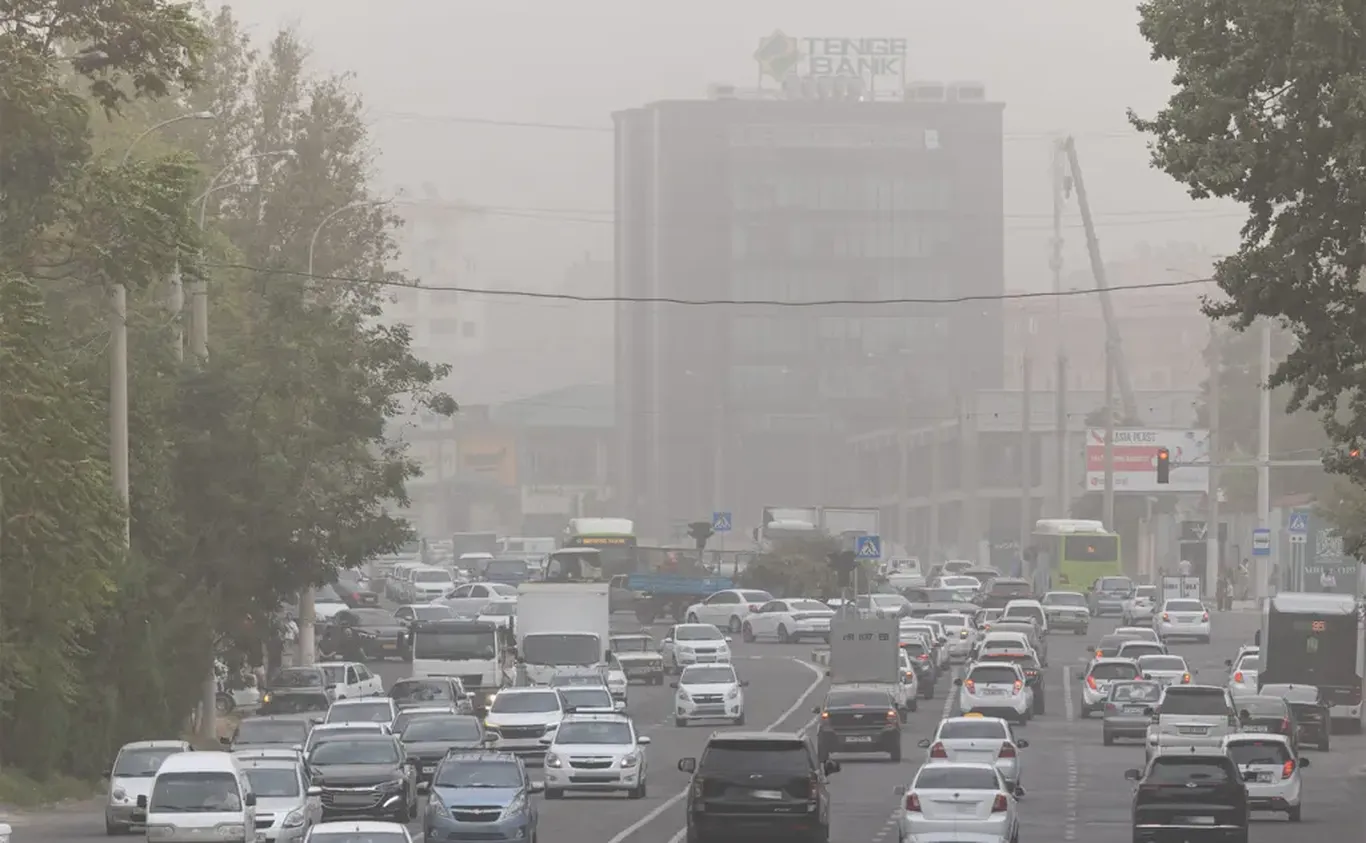
An action plan (algorithm) to be implemented when air quality sharply deteriorates in Uzbekistan will be developed. The plan must be developed within 1 month, in accordance with the norms established by the Presidential decree.
This plan includes measures such as promptly warning the population, calling on vulnerable groups to stay at home, restricting mass events, temporarily canceling outdoor activities in educational institutions, and changing the work regime in state organizations or switching to a remote format.
Established main measures:
— Prompt warning: When air quality reaches a dangerous level, the population is informed via SMS messages, mass media, and digital platforms; information on official risk levels is provided;
— Protecting the population: Staying at home is recommended for children, the elderly, and individuals with chronic illnesses; outdoor activities are temporarily canceled; mass events may be restricted; the work regime in state organizations is changed or switched to remote work;
— Measures in industry and transport sectors: Operational control is established over pollution sources; the use of fuel oil in energy enterprises is restricted (except in extreme temperature conditions); emissions from industrial enterprises are temporarily reduced or stopped; construction work and traffic are restricted; sprinkling of fountains, trees, and roadsides is carried out to suppress dust.
Furthermore, by December 30, 2026, a draft regulatory legal document aimed at legally regulating, preventing, and mitigating the consequences of incidents related to air quality deterioration must be introduced.
A system for limiting emissions in areas with high pollution will be introduced: anthropogenic load norms for areas are determined, permissible emission volumes are established, the total quota is gradually reduced, and an emissions cadastre is maintained.
The draft regulatory legal document must be introduced by December 1, 2026.
Population health monitoring:
— The impact of air pollution on the human body is scientifically studied (respiratory system, cardiovascular system, allergic diseases).
— Special recommendations are developed for high-risk groups (children, the elderly, pregnant women).
— Risk indicators assessing the health threat from air pollution are created and integrated into the healthcare system.