"The Road to Tokyo": A film that reflects the champion spirit and national pride
The artistic film "The Road to Tokyo," filmed in collaboration between Uzbek and Japanese filmmakers, has emerged as a significant event in the national cinema world. The film is based on the life, arduous journey, and major victories of Olympic boxing champion Bakhodir Jalolov.
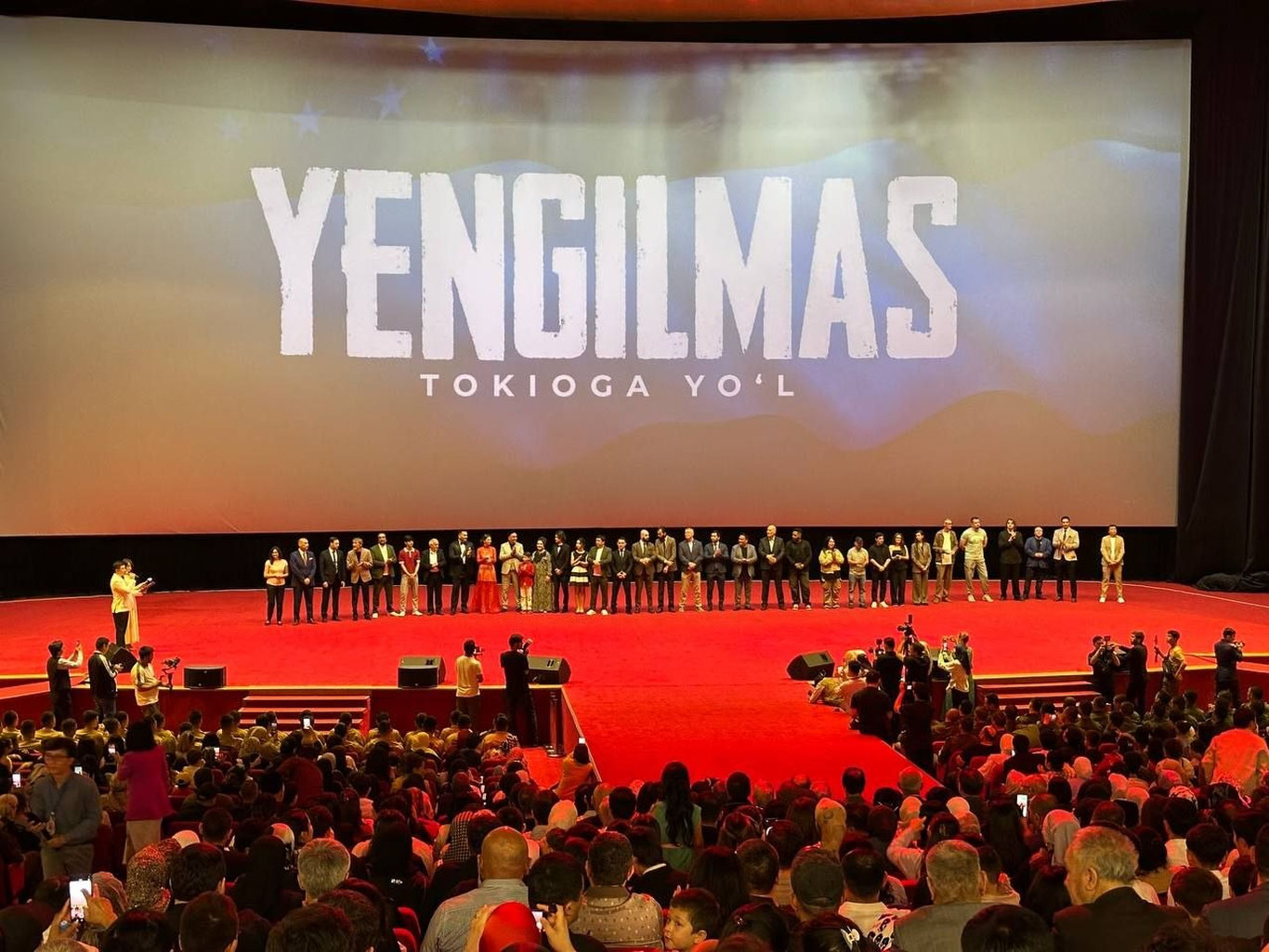
The premiere of the feature film "Road to Tokyo," produced in collaboration between Uzbek and Japanese filmmakers, took place at the Uzbekistan National Palace of Cinematic Arts in Tashkent. The film's main goal is to strengthen Uzbekistan's positive international image, develop national content, and promote it widely. The work vividly reflects the reforms being implemented in the country's sports sector, the opportunities being created for youth, and the conditions established to achieve high results.
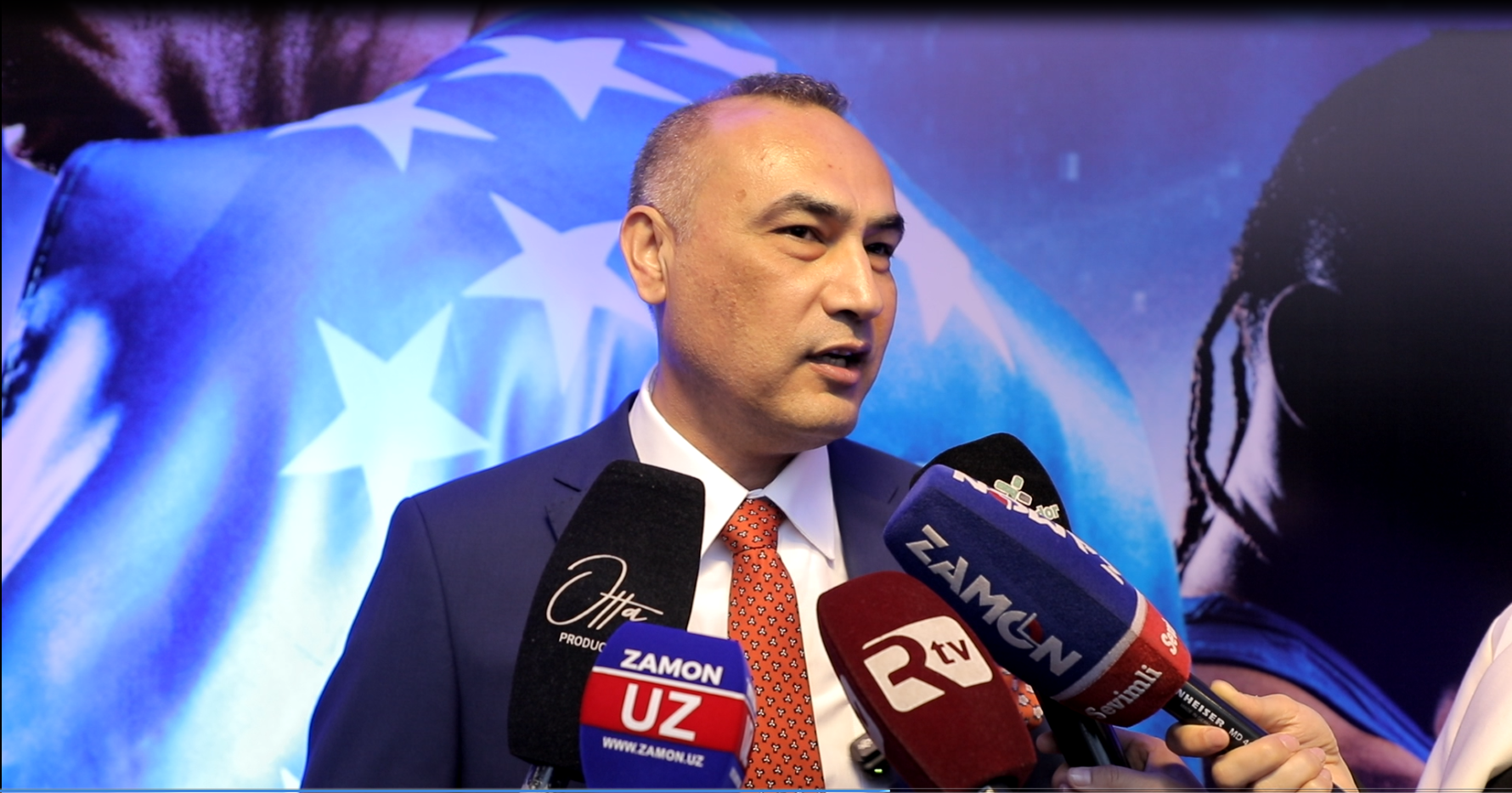
As emphasized by the film's director and producer, Akrom Isakov, this project showcases the strength of modern Uzbek sports and its prestige on the international stage:
"Today, Uzbekistan is a leading country in the world in boxing. We have proven our strength. Now the world reckons with us. This film is an expression of that pride and achievement."
According to him, the film serves not only to highlight sporting success but also to awaken feelings of national self-awareness and pride in being Uzbek: "We are proud of our ancestors. Now the current generation is also proving itself. This film is a sign of that continuity."
The director also specifically paused to discuss the necessity of watching the film:
"Before, there were few major achievements in sports. Today, the whole world is recognizing them. When they say 'Uzbeks,' they are seen as a strong people. This film is about raising our flag not with words, but with labor."
In his opinion, the film shows the viewer not a simple story, but a living proof—the result of hard work and dedication.
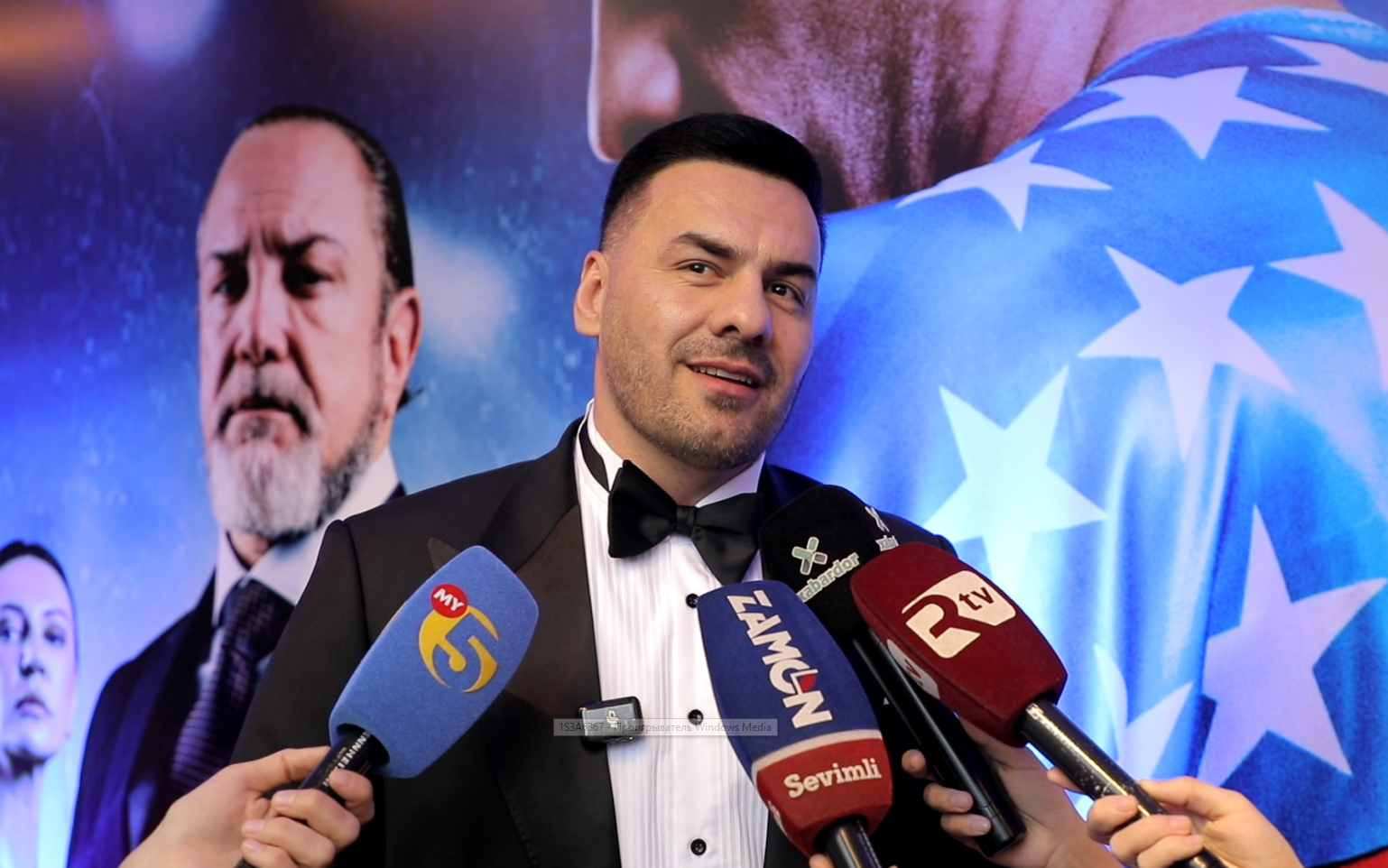
For the actor who played the lead role in the film, this project was not easy. He even openly admits that he initially lost the role:
"This role had slipped from my hands. Even 40% of the filming had been completed with another actor. But I did not lose hope. Inside, I felt this role was meant to be mine."
The actor says he underwent serious preparation for this role:
"I dieted for no reason, I went to boxing training for no reason. I simply believed. Because this was my dream."
The fight scenes in the film were particularly complex. The actor recalls this process as follows:
"We filmed the fight scenes with a professional boxer for five days. We worked 10-12 hours a day. Mostly, I was the one taking the hits. It even reached the point of a concussion."
Nevertheless, he evaluates this process positively:
"I never once said 'I suffered.' It was a joy for me. If it happened again, I would perform even better."
The actor also noted that he did not have much direct communication with Bahodir Jalolov:
"I spoke more with his friends. Because those close to a person know them even better. In the fight scenes, I tried to create a determined image; in the family scenes, a sincere one."
According to the film's creators and protagonists, "Road to Tokyo" is a powerful source of motivation for young people:
"This film provides motivation for young people. It shows the path of difficulties, hard work, and victory."
"Road to Tokyo" is not just a biographical film. It is an artistic expression of victory achieved through faith, patience, and hard work. The film makes the viewer feel not only the success in sports but also the limitless power of human strength and will.
It serves as a source of pride for every Uzbek and inspiration for every young person.