Compensation will be paid for the harmful effects of noise in Uzbekistan.
According to the Sanitary and Epidemiological Committee, the permissible noise level for residential areas is set at 45 decibels during the day and 35 decibels at night.
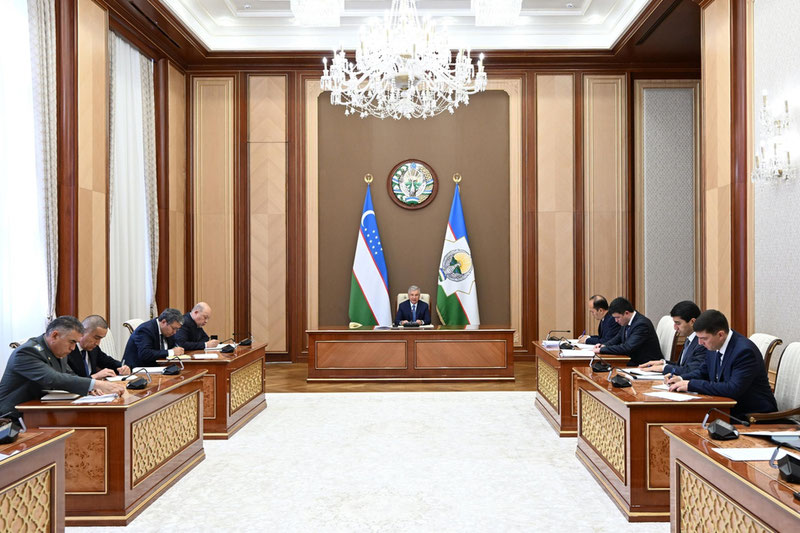
At the plenary session of the Senate held on June 13, the law "On protecting the population from the harmful effects of noise" was reviewed and approved. The document aims to protect the population from increasing noise exposure, eliminate legal gaps in this area, and establish a procedure for compensating for harmful noise.
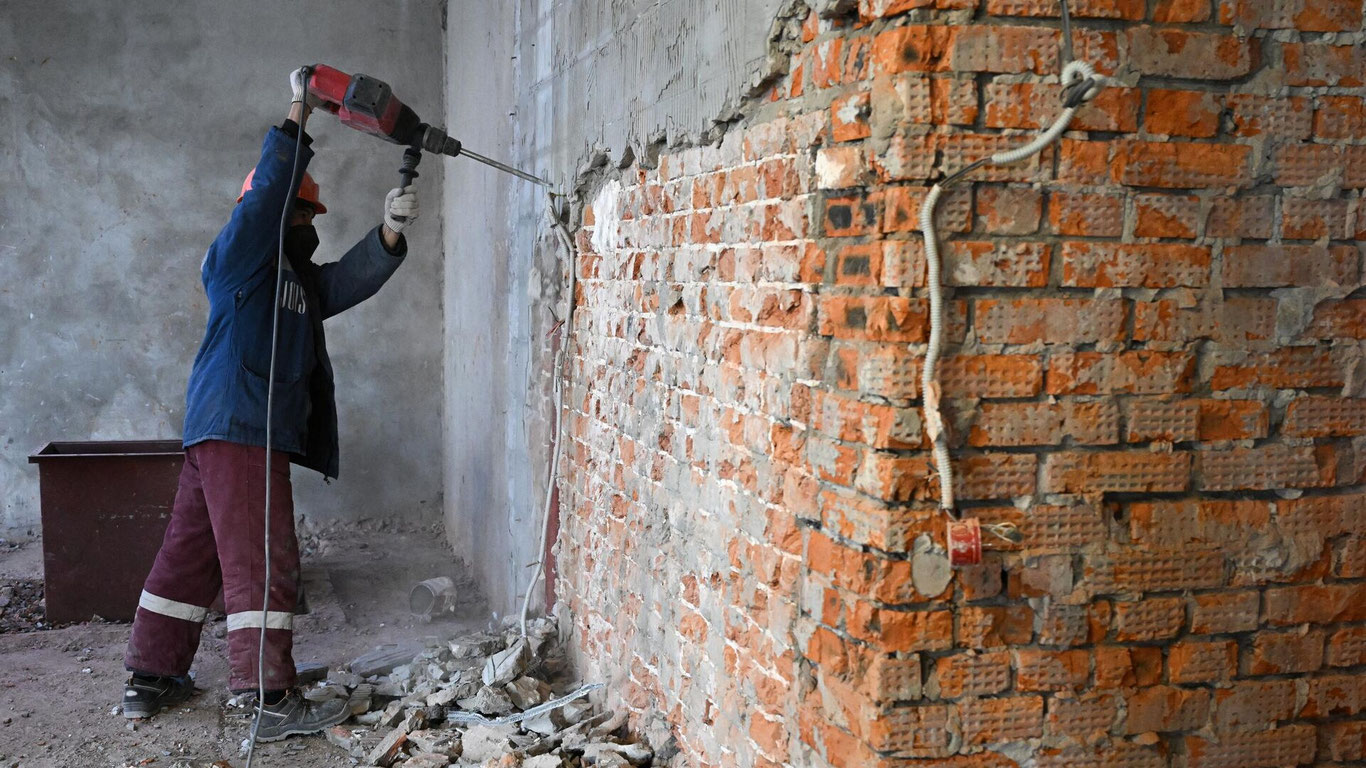
It was noted at the session that due to the increase in the number of industrial enterprises, large-scale construction works, urban expansion, and the growing number of vehicles, the negative impact of noise on the daily lives of the population is intensifying. At the same time, there is no single legal document that comprehensively regulates the fight against noise that adversely affects public health, tranquility, and rest.
Sayyora Sapayevna, Chairperson of the Senate Committee on Agrarian, Water Management Issues and Ecology, citing data from the World Health Organization, stated that noise is one of the environmental risk factors with the greatest impact on human health. According to her, constant high-level noise can lead to hearing loss and even deafness.
Furthermore, noise increases the risk of cardiovascular and nervous system diseases, and under constant noise conditions, human labor productivity has been observed to decrease by 10–30%. The senator emphasized that noise levels exceeding established standards also negatively affect the health of children and young people. Particularly, strong noise around schools and kindergartens can lead to a deterioration in the quality of education.
Nurmat Otabekov, First Deputy Chairman of the Committee for Sanitary-Epidemiological Welfare and Public Health, reported that in Uzbekistan, the permissible noise level for residential areas is set at 45 decibels during the day and 35 decibels during nighttime rest.
It was noted at the session that although seven sanitary norms and rules stipulating noise-related standards are in effect, the legislation does not sufficiently establish strict requirements in this regard. As a result, unconditional compliance with these norms is not ensured. Additionally, mechanisms for holding accountable objects that cause noise exceeding permissible levels and harming human health are not fully and clearly defined.
The law establishes general rules for protecting the population from the harmful effects of noise, the powers of state bodies in this area, and necessary measures. The document also provides for types of noise that disrupt citizens' tranquility and normal rest, time intervals during which such noise is not allowed, as well as norms regarding compensation payments for the harmful effects of noise.
Moreover, the rights and obligations of individuals and legal entities regarding the protection of the population from harmful noise are being clearly defined.
Senator Sayyora Sapayevna stated that the requirements of the law do not apply to natural noises, nor to noises arising from urgent work related to crime prevention, rescue services, emergency medical care, prevention and elimination of emergencies, and ensuring public safety.
Additionally, noises arising during national holidays, mass sports and cultural events, and religious ceremonies are also exempt from the restrictions within the scope of the law.
According to the senators, the adoption of this law will serve to legally regulate relations related to protecting the population from the harmful effects of noise and to ensure the tranquility of citizens.