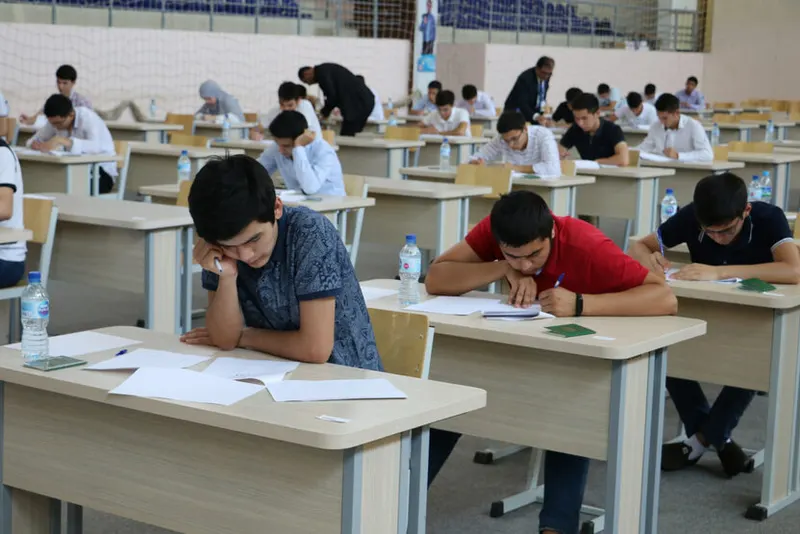
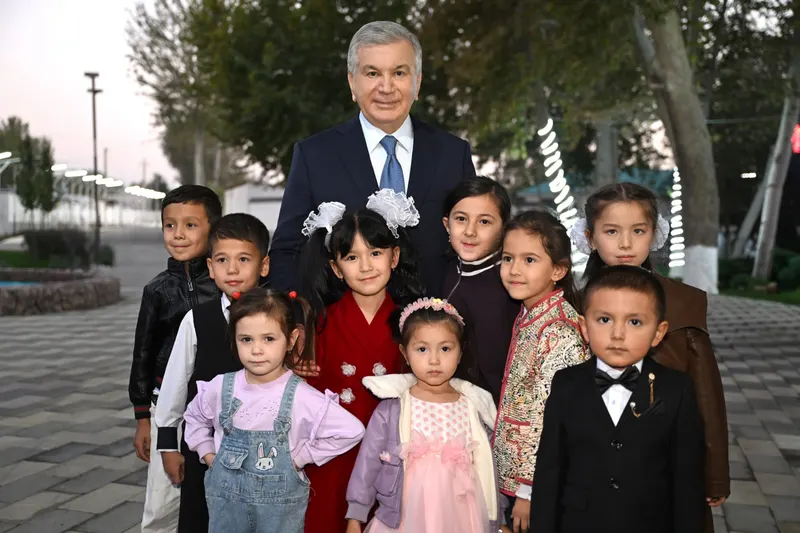
In schools, "Hour of the Future" lessons are being organized every Monday.
The training sessions are aimed at developing in students a love for the Motherland, national identity, and social-emotional skills.
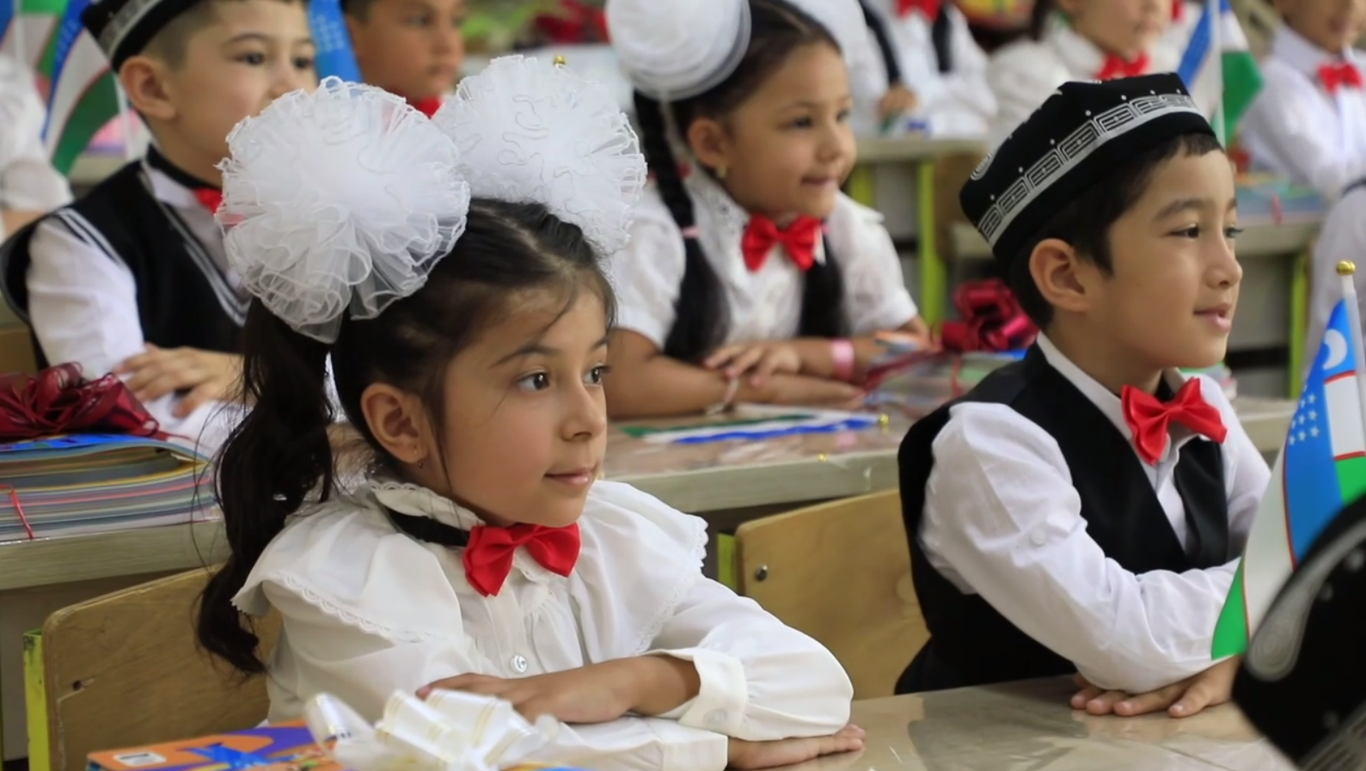
Starting from the 2025–2026 academic year, the practice of holding "Hour of the Future" lessons every Monday has been introduced in preschool educational organizations and general education schools under the Ministry of Preschool and School Education.
It is noted that the goal of these sessions is to educate students in the spirit of national and universal values, fostering love and loyalty to the Motherland, national self-awareness, socio-emotional skills, and positive behavior.
Representatives of state and public organizations, figures from culture and literature, scientists, pedagogues, deputies, and artists are being involved in the lessons.
Additionally, video content on various topics is being prepared with the participation of qualified experts and specialists and uploaded to the milliytarbiya.uz platform. To date, 410 video contents based on 180 scenarios have been posted on the platform.
The Ministry has also developed the "Hour of the Future" program for the 2026–2027 academic year. It includes separate lesson plans, scenarios, visual and interactive materials for different age groups.
In particular, separate curricula have been developed and uploaded to the platform for preschool children aged 3–7, as well as for students in grades 1–4, 5–8, and 9–11.
According to the Ministry, during the sessions, students can not only learn information related to the topic but also share their thoughts about their dreams and goals and get answers to their questions.
The lessons also provide information about the activities of ancestors who left their mark on history in politics, science, and culture, as well as their dedication to the prosperity of the Motherland.
In order to effectively organize the "Hour of the Future" lessons, training seminars are also being held for responsible staff of the Ministry's regional departments, heads of educational organizations, and pedagogues.