Amid heightened tensions in the Middle East, Brent crude oil prices have approached $100.
The rise in oil prices is being caused by the intensification of the confrontation between the US and Iran.
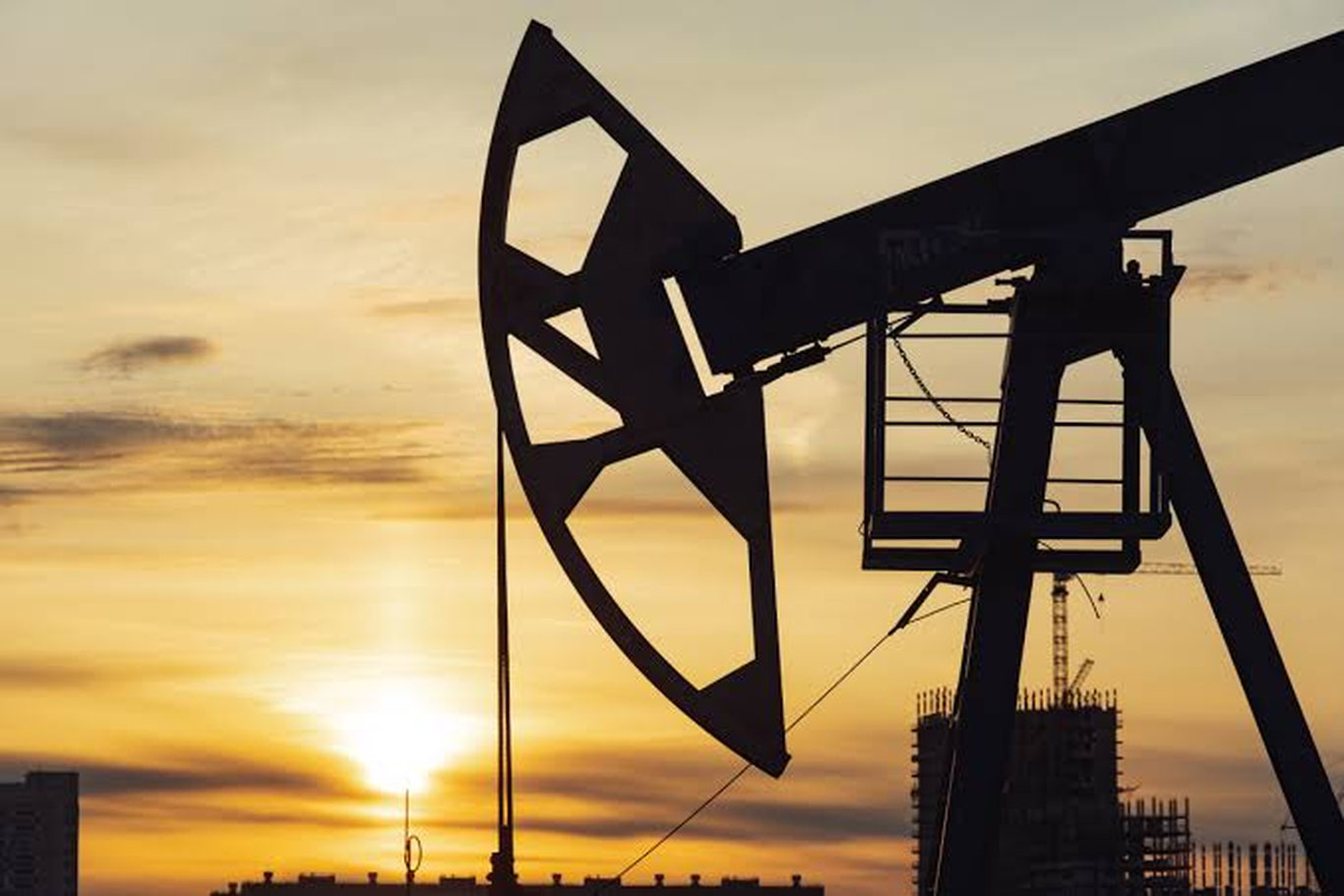
Against the backdrop of heightened tensions in the Middle East, the price of Brent crude oil has risen for the fourth consecutive trading session, approaching $100 per barrel.
According to a report by Interfax, on September 9, November futures for Brent crude on London's ICE Futures exchange stood at $99.02 as of 08:20. This is $1.1, or 1.12 percent, higher than the close of the previous trading session.
A day earlier, on September 8, Brent futures closed at $97.92, having risen by $0.92, or 0.9 percent.
The rise in oil prices is being driven by escalating confrontation between the United States and Iran. The Islamic Revolutionary Guard Corps of Iran has announced that missile strikes were carried out against U.S. military personnel stationed at the Muwaffaq Salti airbase in Jordan, as well as against two destroyers of the U.S. Navy.
Earlier, the U.S. Central Command stated that it had destroyed five Iranian oil tankers in the Persian Gulf and the Gulf of Oman. The U.S. side described this as a response measure to an attack on one of its naval vessels.
Additionally, on September 8, Houthi forces in Yemen attacked a number of oil production facilities in southern Saudi Arabia. According to the Saudi Arabian Ministry of Energy, the attacks resulted in fires at the oil facilities, and their operations were temporarily suspended.
At the same time, on the New York Mercantile Exchange (NYMEX), the price of WTI crude oil for October delivery rose by $0.97, or 1.04 percent, reaching $94. In the previous trading session, WTI had increased by $1.55, or 1.7 percent, to stand at $93.03.
The price of Brent crude has risen by nearly a quarter since the beginning of August.
According to analysts, fading hopes for a swift resumption of negotiations between Washington and Tehran, along with the continuation of military operations in the region, are creating an additional risk premium for geopolitical risks in the market.