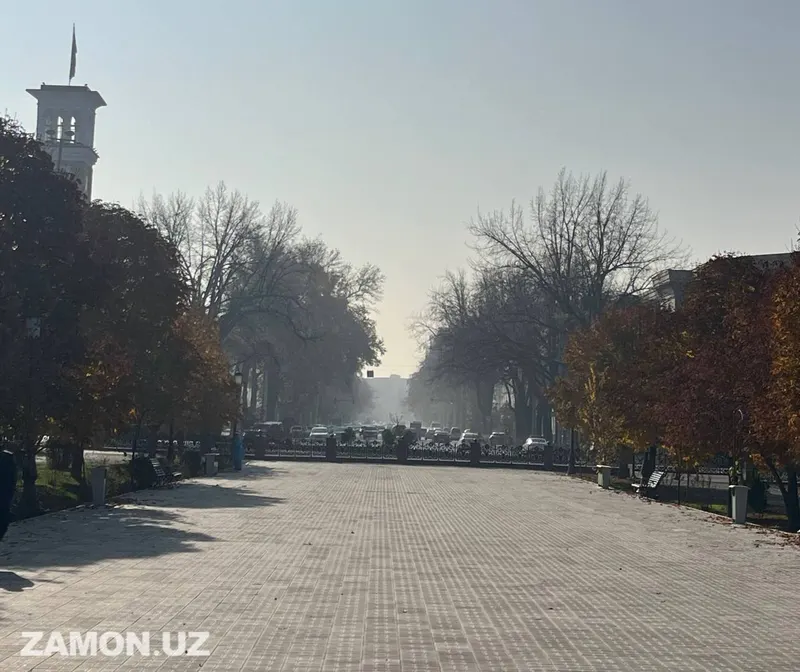
Air quality has deteriorated in major cities of Central Asia: what is causing this?
Ecological scientists provided a detailed explanation of the causes of air pollution.
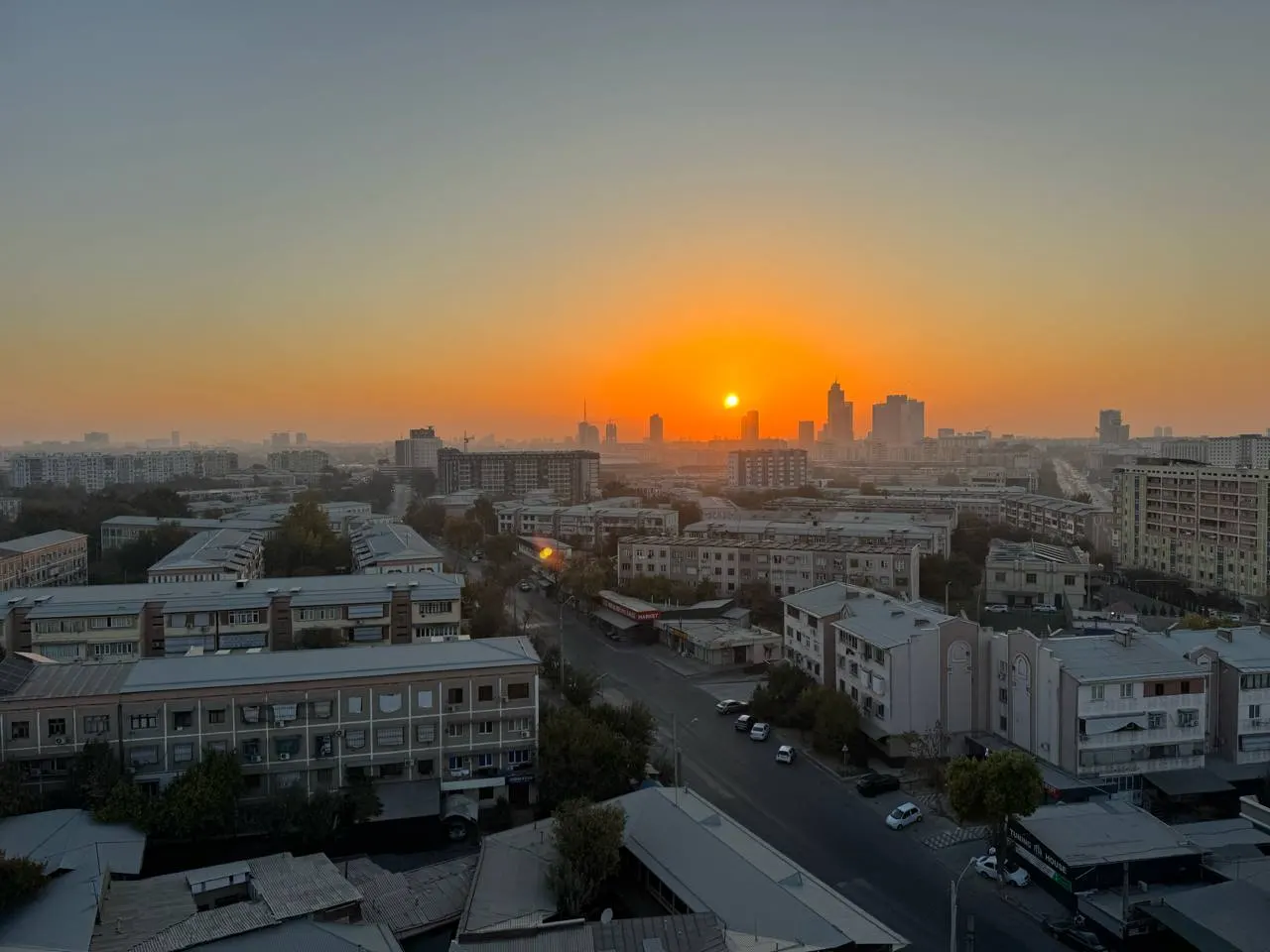
In recent days, the sharp deterioration of air quality has once again become the focus of public attention. However, according to environmentalists, the problem is not limited to the capital of Uzbekistan alone, but has spread across the entire region. The Committee on Ecology and Climate Change presented a detailed analysis of the causes of the situation based on national and international monitoring data.
What do the numbers say?
According to monitoring data, on October 26, the air quality index (AQI) exceeded the dangerous threshold of 100 units in 6 of the 8 major cities of Central Asia.
In Bishkek, this indicator rose to 160 (the city ranked fourth in the world anti-rating for pollution level), in Tashkent it reached 157, in Shymkent 149, and in Dushanbe and Karaganda it stood at 134. In neighboring Kazakhstan, the number of cities with unfavorable meteorological conditions increased from four to ten within a few days.
In Tashkent, the average daily index rose by 76 percent in just five days — from 93 points on October 21 to 164 points on October 26. At the same time, the peak of pollution occurred during the night hours: over the past month, the average indicator reached 119 at 23:00, while at 17:00 it remained around 82. The simultaneous haziness of the atmosphere in cities located hundreds of kilometers apart confirms that the root cause of the problem is atmospheric processes on a regional scale.
Causes: anticyclone and temperature inversion
In the third ten-day period of October, a slow-moving anticyclone settled over the territory of Central Asia. Windless weather (calm), the absence of precipitation, and a strong temperature inversion blocked the natural circulation of air.
The physical essence of this process is that a layer of warm air covers the cooled earth's surface like a dense lid. As a result, the vertical exchange of the atmosphere stops. Under such conditions, even if the volume of emissions has not actually increased, the concentration of PM2.5 microparticles increases intensively. Because vehicle exhaust, smoke from heating systems, industrial waste, and suspended dust become trapped in the layer near the ground.
Collision of natural dust and anthropogenic factors
Central Asia is located in a vast arid region that includes the Karakum and Kyzylkum deserts, as well as the dried-up bed of the Aral Sea (Aralkum). Dust flows easily cross state borders, which is why the problem of transboundary dust migration cannot be resolved separately within the framework of a single city.
Laboratory analysis of air samples taken from the Almazar, Yunusabad, and Mirzo Ulugbek districts of Tashkent showed the following levels of pollution with PM2.5 particles:
- 39.7% — natural mineral dust from deserts;
- 42.6% — combustion processes (transport, industry, and the energy system).
During active dust storms, the share of the natural factor in the capital's air rose to 64 percent, and in some samples up to 78 percent.
Annual dynamics and the monitoring network
The Ecology Committee emphasizes the need to assess short-term spikes in pollution separately from the overall annual dynamics. In the period from January of this year to October 19, the amount of PM2.5 particles in Tashkent's air decreased by 28 percent compared to the same period last year, and PM10 particles by 32 percent. The average air quality index for October also improved from 124 to 104.
In order to carry out timely monitoring, the observation network in Uzbekistan has been expanded: today, 28 automatic monitoring stations are connected to the national platform, their data is transmitted to scientists and is open to the public in real time.
What needs to be done?
According to experts, climate change, drought, and the decline in soil moisture are causing dust storms and stagnant air conditions to occur more frequently. In this regard, the following are being taken as key measures:
- strengthening regional cooperation between the hydrometeorological services of Central Asian states and establishing prompt data exchange for joint forecasting of dust migration;
- forecasting inversion events in advance and promptly informing the public;
- systematically reducing emissions from transport, boiler houses, and factories, and improving energy efficiency;
- strictly controlling dust suppression measures at construction sites and extensively greening open land areas devoid of vegetation cover;
- proper and rational urban planning while preserving air corridors.
The main conclusion of scientists: weather conditions can sharply aggravate the environmental situation severalfold, but reducing the anthropogenic (related to human activity) burden and regional cooperation remain the key factors in protecting public health.