Khojaly Genocide: A Lesson of History and the Demand for Justice
The Khojaly massacre was an integral part of the policy of ethnic cleansing and aggression carried out by Armenia against the Republic of Azerbaijan for many years. During the massacre, 613 people, including 106 women, 63 children, and 70 elderly people, were killed, and 1,000 civilians of various ages were left disabled as a result of gunshot wounds.
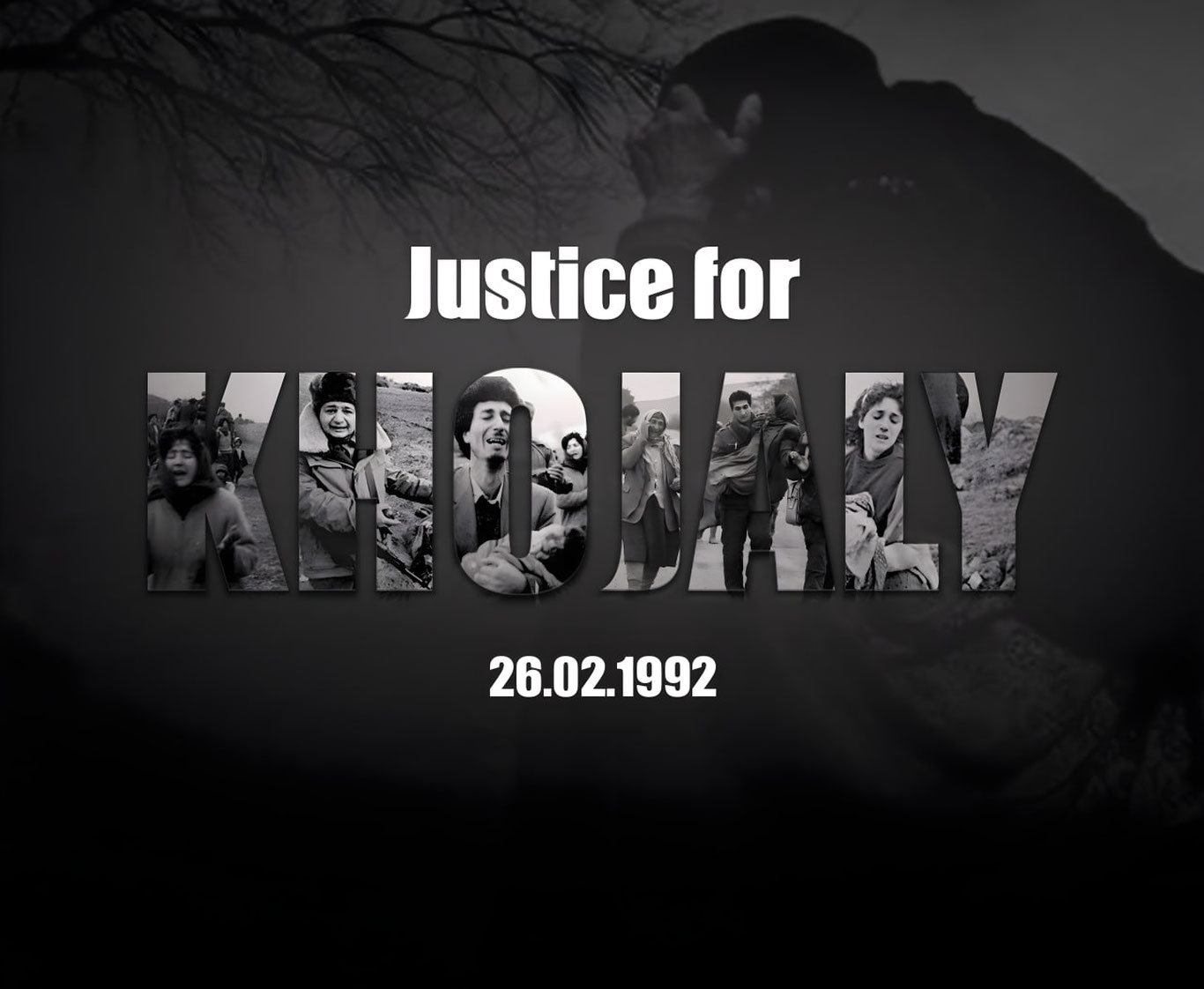
In October 1991, the town of Khojaly, with a population of 7,000, was completely blockaded by the armed forces of the Republic of Armenia (RA), and on February 26, 1992, Armenian military units carried out an act of genocide against the Azerbaijani people.
During the Khojaly massacre, 613 people were killed, including 106 women, 63 children, and 70 elderly people; 1,000 civilians of various ages were disabled as a result of gunshot wounds. Eight families were completely wiped out, 25 children lost both parents, and 130 children lost one parent. On the night of the tragedy, 1,275 civilians were taken captive, the fate of 150 of whom remains unknown to this day.
Approximately 2,500 residents of the town moved in the direction of Aghdam to escape certain death. However, the Armenian armed forces mercilessly opened fire on the defenseless people.
According to information from Russia's "Memorial" human rights center, over four days, only 200 Azerbaijani bodies were brought from Khojaly to Aghdam, with dozens of cases of desecration of corpses recorded. In Aghdam, 181 bodies—130 men and 51 women—underwent forensic examination. It was found that 151 individuals died from gunshot wounds, 20 from shrapnel wounds, and 10 were killed by blunt objects. The human rights center also recorded cases of scalping of living people.
All of this was carried out by Armenian soldiers with particular cruelty and unimaginable savagery. Military personnel from the former Soviet army's 366th Regiment, stationed in Khankendi, also participated in the assault on the town.
The Khojaly massacre was an integral part of the policy of ethnic cleansing and aggression pursued by Armenia against the Republic of Azerbaijan (AR) for many years. Responsibility for the perpetration of the genocide lies directly with the military-political leadership of that time.
In 1994, on the initiative of then-President Heydar Aliyev, the Milli Majlis adopted a special resolution "On the Day of the Khojaly Genocide — February 26." The document details the causes of the tragedy and identifies the perpetrators.
In the Khatai district of Baku city, the "Mother's Cry" monument has been erected in memory of the victims of the genocide.
It should be emphasized that the Heydar Aliyev Foundation is carrying out systematic and consistent activities to convey the truth about the Khojaly massacre to the world community. With the support and organizational assistance of the Foundation, within the framework of a special project dedicated to the genocide, a series of actions, events, exhibitions, and mourning ceremonies are being held in a number of countries around the world.
The international campaign "Justice for Khojaly!", launched on the initiative of Heydar Aliyev Foundation Vice-President Leyla Aliyeva, is expanding and becoming more effective year by year.