On the eve of May 9, Russia declared a ceasefire, and Zelenskyy responded with a "silence regime."
Russia has stated that it will launch a missile strike on Kyiv if a threat arises to its holiday events.
The Russian Ministry of Defense declared a unilateral ceasefire effective on May 8-9 in connection with May 9 — Victory Day. The BBC reported this.
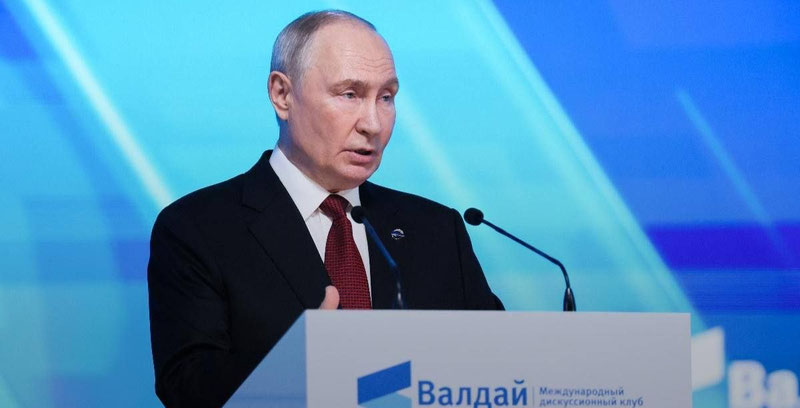
It was reported that the statement noted this decision was made based on an instruction from President Vladimir Putin, and it was stated that the Ukrainian side is expected to join this initiative.
Soon after, Ukrainian President Volodymyr Zelenskyy announced the introduction of a "silence regime" on the front line starting from 00:00 on the night of May 5-6. He emphasized that the Ukrainian side would act on the basis of the "mirror principle." That is, Ukraine will respond proportionally to Russia's actions.
Zelenskyy also stated that there had been no official request from the Russian side regarding the terms of the ceasefire, emphasizing that human life is more important than any holiday.
Although the Ukrainian leader did not specify the time zone, as of May 5, Moscow and Kyiv times are the same, so the announced deadline matches.
In its statement, the Russian Ministry of Defense recalled Zelenskyy's remarks at the European Political Community summit in Yerevan, interpreting them as a "threat to strike Moscow on May 9." At the same time, the ministry also stated that if there were "attempts to disrupt the holiday," a "massive missile strike" could be launched on the center of Kyiv.
Zelenskyy indirectly responded to this statement, calling on the Russian leadership to take real steps to end the war. He also commented on Russia's plan to hold the May 9 parade without military equipment, explaining this as being due to security concerns.
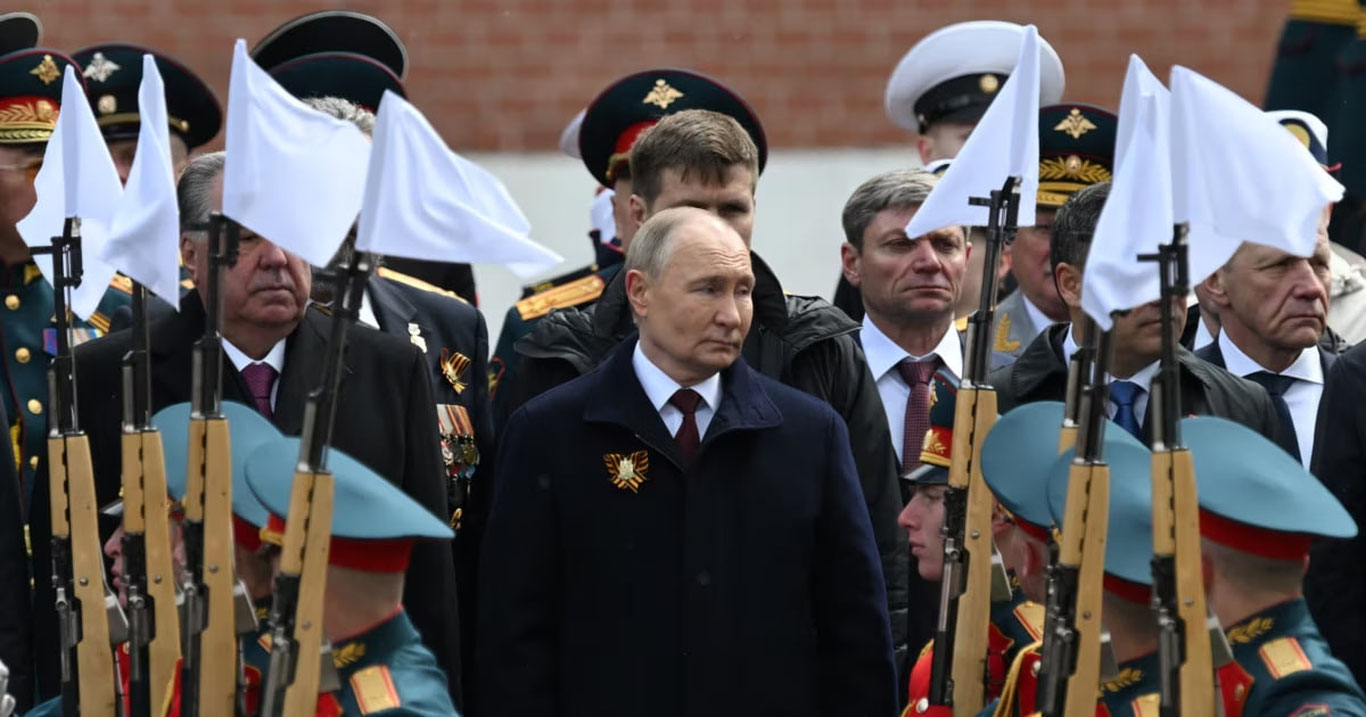
According to official information, the parade to be held this year on Moscow's Red Square will be conducted without military equipment for the first time since the start of the war in Ukraine in 2022. However, the participation of infantry troops and flying groups will be retained. The Kremlin explained this by citing the "threat of terrorism" and the fact that the date is not an anniversary.
A telephone conversation between Russian President Vladimir Putin and US President Donald Trump took place on April 29. While Trump stated that he proposed declaring a short-term ceasefire in connection with May 9, the Kremlin announced that Putin had put forward an initiative for a one-day truce on the holiday.
The Ukrainian side, however, has been criticizing such initiatives. Foreign Minister Andrii Sybiha assessed Russia's proposals as a "PR stunt" and a political signal aimed at the West, emphasizing that Kyiv advocates for a complete and unconditional ceasefire lasting at least 30 days.
Let us recall that the parties have previously declared ceasefires in connection with holidays. For example, in April 2026, a short-term ceasefire was implemented during the Orthodox Easter holiday, but later both sides accused each other of violating it.
Last year, a 72-hour ceasefire was also declared in connection with May 9, but Ukraine did not officially accept this proposal.